• 4 min de lectura
• 4 min de lectura
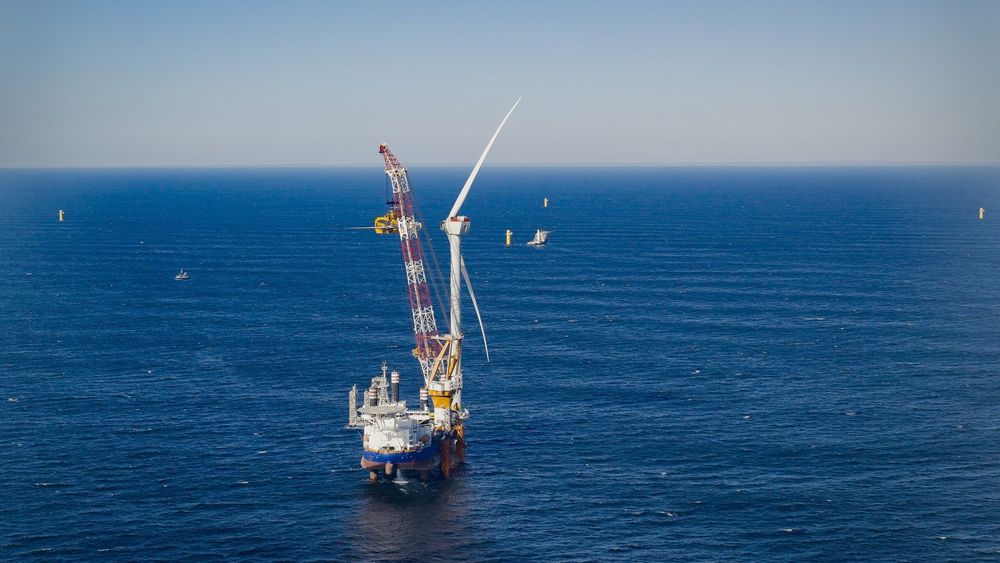
The Trump administration has expanded its campaign to unwind U.S. offshore wind development, announcing a new agreement with Invenergy that will terminate four offshore wind leases and redirect hundreds of millions of dollars into natural gas and geothermal projects instead.
The Department of the Interior said Wednesday that Invenergy and its affiliates will voluntarily relinquish offshore wind leases in the New York Bight, Central Coast of California and the Gulf of Maine with a combined value of approximately $765 million. In return, the company will redirect an equivalent amount of capital into domestic energy projects, primarily natural gas-fired power plants in Indiana, Wisconsin, Iowa, Kansas and Missouri, along with geothermal developments across the western United States.
The deal is the latest—and one of the largest—in what has become a hallmark of President Donald Trump's energy agenda. Rather than relying on legal challenges to stop offshore wind projects, the administration has increasingly negotiated settlements that allow developers to recover lease payments while shifting investment into conventional energy infrastructure.
The strategy began in March with a landmark agreement involving TotalEnergies. The French energy giant agreed to surrender offshore wind leases in the New York Bight and Carolina Long Bay worth roughly $928 million and redirect an equivalent amount of investment into U.S. LNG and upstream oil and gas projects, including Rio Grande LNG.
A month later, the administration announced agreements with Bluepoint Wind and Golden State Wind. Under those deals, developers agreed to relinquish offshore wind leases off New York and California and redirect approximately $885 million toward LNG facilities, oil and gas assets and other energy infrastructure.
With the addition of Invenergy, more than $2.5 billion in offshore wind lease capital has now been redirected into natural gas, LNG, oil and geothermal projects under the administration's buyout program.
"President Trump is committed to unleashing affordable, reliable American energy for our country's communities and putting the American people first through common-sense action," Interior Secretary Doug Burgum said in a statement.
Burgum argued the offshore wind leases depended on "costly, unreliable" subsidies and raised national security concerns, adding that companies are now shifting investment back toward "dependable, secure energy infrastructure."
The Department of Justice also praised the agreement. Associate Attorney General Stanley Woodward said the move advances Trump's energy agenda while lowering costs for consumers and strengthening domestic energy security.
Invenergy framed the decision as a commercial one.
"At a time of unprecedented energy demand, Invenergy is focused on delivering reliable, affordable energy for our customers and supporting disciplined investment at scale," said Daniel Runyan, the company's senior vice president for development. The company said it will continue evaluating opportunities as market conditions evolve.
The expanding buyout strategy has not gone unchallenged.
Earlier this month, New York Attorney General Letitia James and Governor Kathy Hochul joined six other states in a lawsuit seeking to overturn the TotalEnergies agreement, arguing the federal government lacks authority to cancel offshore wind leases through negotiated settlements without following procedures established under offshore leasing laws.
The states also challenge the administration's use of federal funds tied to the agreements, describing the buyouts as an unlawful effort to dismantle offshore wind development through financial settlements rather than regulatory action.
For the maritime industry, the implications are substantial. Offshore wind development has driven investment in specialized installation vessels, Jones Act feeder ships, port upgrades and domestic supply chains along the East Coast. Each canceled lease reduces the long-term pipeline of projects supporting that ecosystem.
At the same time, the administration has increasingly tied offshore wind retrenchment to a broader push for LNG exports and conventional energy production. The Invenergy agreement reinforces that strategy, redirecting offshore wind capital toward dispatchable energy sources that the White House says are essential to its broader "Energy Dominance" agenda.
Whether additional developers follow suit remains uncertain. But after federal courts repeatedly rejected efforts to halt projects already under construction, negotiated buyouts have emerged as the administration's preferred tool for reshaping the future of U.S. offshore wind.
Fuente: GCAPTAIN_NEWS