• 3 min de lectura
• 3 min de lectura
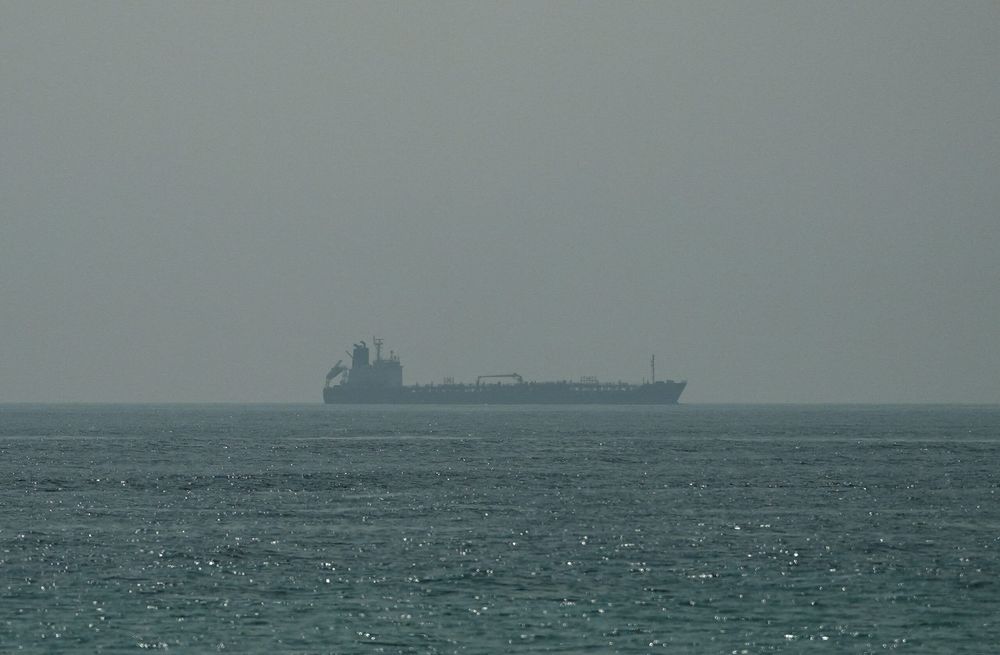
Second day of military action targets coastal defenses, missile sites and naval infrastructure as Tehran warns shipping will only resume under "Iranian arrangements."
The United States has launched a second consecutive day of military strikes against Iran, targeting another 90 military sites as Washington escalates its response to attacks on commercial vessels in the Strait of Hormuz.
U.S. Central Command (CENTCOM) said Wednesday's operation struck approximately 90 Iranian military targets, including air defense systems, coastal surveillance assets, missile and drone storage sites, naval capabilities and military logistics infrastructure along Iran's coastline.
The latest operation follows strikes the previous day against roughly 80 military targets, including more than 60 Islamic Revolutionary Guard Corps (IRGC) small boats that U.S. officials said had been involved in attacks on commercial shipping.
"U.S. forces remain vigilant, lethal, and prepared to execute operations directed by the Commander in Chief," CENTCOM said.
The expanding military campaign follows a series of Iranian attacks on merchant vessels transiting the Strait of Hormuz that shattered a ceasefire reached only weeks earlier between Washington and Tehran.
On Tuesday, CENTCOM said the initial round of strikes was intended to "impose heavy costs" on Iran after three commercial vessels were attacked while navigating the strategic waterway, one of the world's most important energy shipping routes.
The latest strikes suggest the U.S. campaign has broadened beyond retaliatory attacks on IRGC naval assets to include the military infrastructure supporting Iran's ability to monitor and threaten shipping along its coastline.
"This is in retribution for yesterday's bombing of ships by Iran. If it happens again, it will get much worse!," President Trump posted on Truth Social.
Iran responded defiantly. Parliament Speaker Mohammad Bagher Ghalibaf warned that "America still hasn't learned that bullying and breaking promises are no longer cost-free."
"Let me put it plainly: if you strike, you'll get hit," Ghalibaf said in a statement.
He also reiterated Tehran's position that maritime traffic through the Strait of Hormuz would remain subject to Iranian control.
"The Strait of Hormuz will only open with Iranian arrangements, not American threats," he said.
The remarks underscore the widening gap between Tehran and Washington over freedom of navigation through the strategic chokepoint.
The renewed fighting marks a dramatic reversal from the memorandum of understanding reached in June, which had temporarily halted hostilities, reopened the Strait of Hormuz to commercial shipping, and prompted the United States to ease sanctions on Iranian oil exports. Washington and Tehran now each accuse the other of violating the agreement.