• 2 min de lectura
• 2 min de lectura
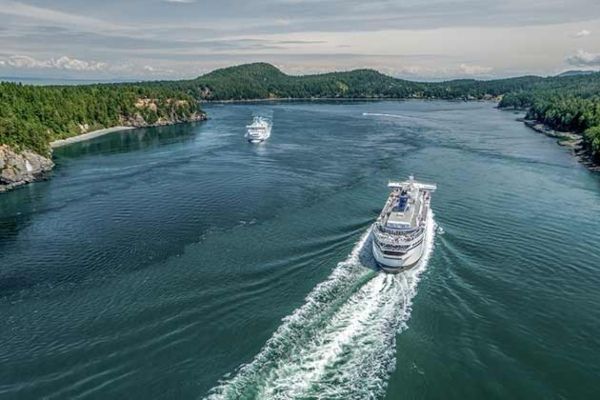
BC Ferries has requested approval from the BC Ferries Commissioner to proceed with two investment projects, the Asset Management Information Program-Phase 1 (AMIP) and the Human Resources Transformation Program-Phase 2 (HRTP), which are expected to improve operational efficiency, support reliable service, and help reduce long-term cost pressures.
As the ferry company prepares its Seventh Period Performance Report (PT7) submission, it continues to make difficult decisions to achieve significant savings and prioritize efficiency across all its operations. This includes implementing restrictions on exempt staff hiring, reductions in contractor support, improvements in fuel consumption, and, most notably, reductions in its 12-year capital plan. BC Ferries has eliminated or postponed over USD 2 billion in planned vessel, terminal, and IT infrastructure investment until fiscal year 2038.
The remaining allocation focuses on projects designed to maintain service delivery and renew critical assets, or which, like AMIP and HRTP, represent essential investments in fundamental capabilities and replace obsolete legacy systems more than two decades old. These efforts have the added benefit of reducing pressure on user fares and generating long-term efficiencies.
BC Ferries' current asset management platform, which allows the company to manage up to USD 180 million annually in spare parts, inventory, and maintenance and refit activities, is obsolete and no longer supported by the vendor.
AMIP is expected to improve fleet reliability and safety through better maintenance planning, increased visibility of assets and inventory, and the availability of data for operational decision-making. This will result in more efficient use of maintenance and refit expenditures, reduced storage costs, and a continuous transition towards predictive maintenance. Furthermore, this system must be supported, secure, and comply with BC Ferries' regulatory obligations.
The HRTP aims to modernize human resources, workforce management, scheduling, timekeeping, and payroll systems, replacing fragmented legacy systems and manual processes.
This will foster a more modern way of working, improving the employee experience and providing leaders and employees with better access to more reliable information. Additionally, it will strengthen workforce planning, enable efficient staff allocation, and help the company better manage labor costs. The HRTP is projected to contribute to reducing future fare increases required from PT7 onwards.
Approval from the Commissioner is required for each project, as they are considered significant capital expenditures under the Commissioner's recently updated Order 26-01, which interprets the requirements of the Coastal Ferry Act.