• 2 min de lectura
• 2 min de lectura
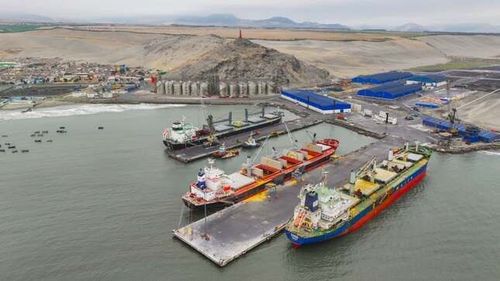
China and Pakistan have reached a "new and broad consensus" to deepen their strategic ties in order to strengthen the development of a joint economic corridor and establish Pakistan's Gwadar Port as a regional connectivity hub, both neighboring countries reported.
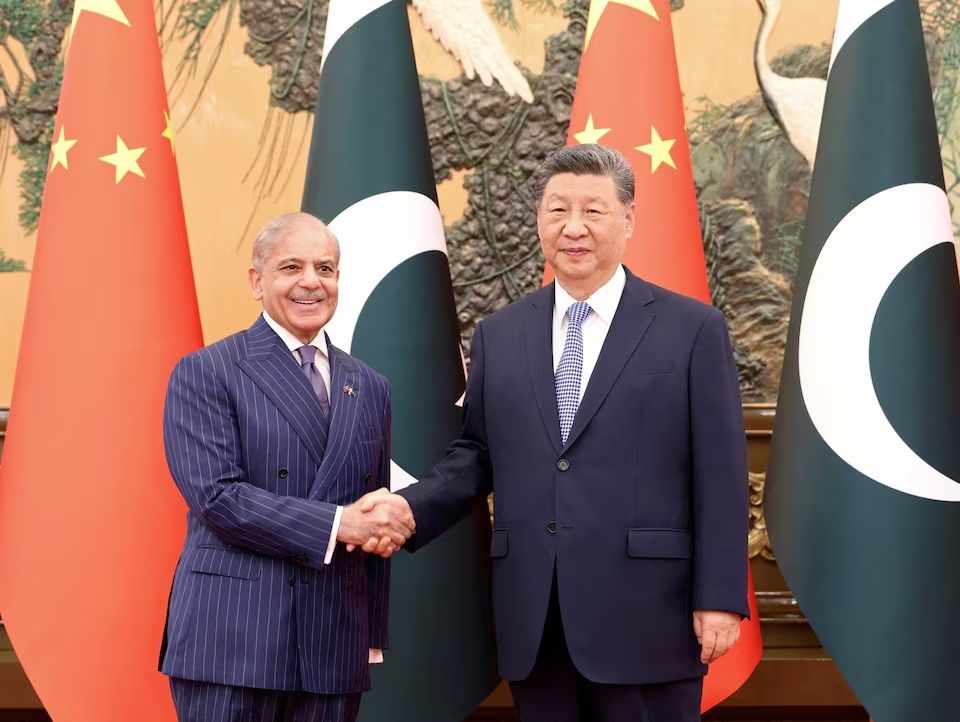
The statements were released in a joint communiqué as Pakistan's Prime Minister Shehbaz Sharif concluded a visit to Beijing at a time when Islamabad is seeking investments while managing tensions with Afghanistan and mediating in the war in Iran.
"Both sides welcomed third-party participation in the development of the China-Pakistan Economic Corridor (CPEC) under the agreed model," they said in the statement, issued after Sharif met with Chinese President Xi Jinping and Premier Li Qiang.
They agreed to promote the "high-quality" development of CPEC, a flagship project of China's Belt and Road Initiative, develop Pakistan's Gwadar Port, and strengthen road and port connections.
These plans include the Khunjerab Pass and the modernization of the Karakoram Highway, the main land route between China and Pakistan.
Pakistan also pledged specific measures to strengthen security and cooperation to ensure the protection of China's workers and investments in Pakistan, a key concern for Beijing after repeated militant attacks against its citizens and projects.
China stated that it valued Pakistan's efforts to facilitate the temporary ceasefire between the United States and Iran and hold talks in Islamabad. Both reiterated their support for the early adoption of a five-point initiative to restore peace in the Middle East, offering to make positive contributions to achieve this.
Pakistan reaffirmed its commitment to the "One China" principle, calling the democratically governed island of Taiwan – claimed by China – an "inalienable" part of China, expressing its opposition to any form of Taiwan independence.
The Islamic Republic of Pakistan welcomed China's efforts to boost its dialogue with Afghanistan. Both opposed groups such as Tehreek-e-Taliban Pakistan and the East Turkestan Islamic Movement using the territory to endanger regional security or launch attacks.