• 3 min de lectura
• 3 min de lectura
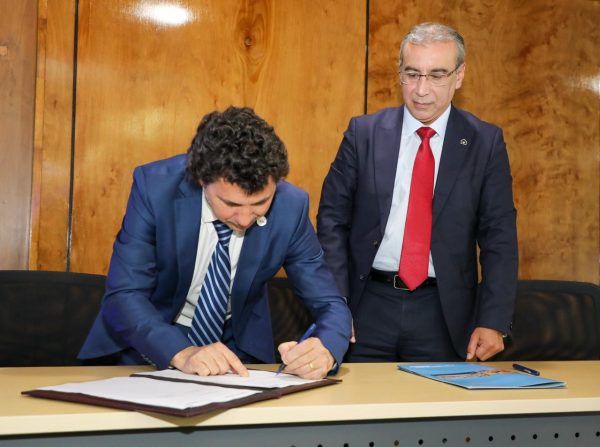
The Empresa Portuaria Valparaíso (EPV) and Grupo Empresas Chilquinta signed a strategic alliance that marks the beginning of joint work to promote the electrical reconversion of the Port of Valparaíso.
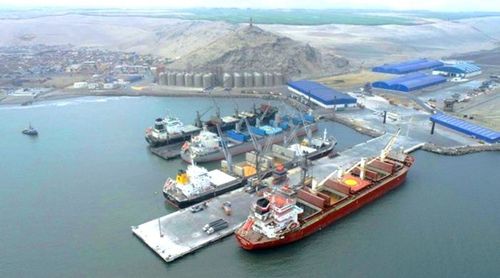
The agreement will allow for the progressive incorporation of energy solutions to modernize infrastructure, replace fossil fuel-based technologies, and prepare the maritime facility to face the challenges of growth, competitiveness, and energy transition.
The agreement establishes a framework for collaboration to evaluate the development of projects related to increasing electrical capacity, incorporating electromobility solutions into port operations, developing non-conventional renewable energy initiatives, and implementing technologies such as On-Shore Power Supply (OPS), which will provide electrical energy to ships while docked, reducing emissions and improving the environmental performance of port activity.
In this way, both institutions begin to build a roadmap that seeks to accompany the energy transformation of the Port of Valparaíso through innovative and sustainable solutions, in line with the objectives established in the agreement.
The alliance is part of EPV's long-term development strategy, which seeks to prepare the future concession of the maritime facility for a more efficient and sustainable operation, accompanying future growth projects with modern energy infrastructure in line with the challenges of carbon neutrality.
Franco Gandolfo, general manager of Empresa Portuaria Valparaíso, stated that "this is work that is part of several elements. First, in the strategic planning process in terms of sustainability that Puerto Valparaíso has, which has a view on sustainability in different areas, but on current operations and also on the future."
"Secondly, it is part of the port expansion process, which, as has been said, has significant energy requirements that allow the port not only to transform its current operations into 100% electric, but also all initiatives to incorporate new infrastructure and new equipment to do so also in the field of renewable energies," explained Gandolfo.
The executive added that this "is a great achievement and a great joint effort between two leading institutions in Valparaíso. The port, an institution that is in the city, that seeks its development, and a company like Chilquinta Energía, which has also been in the region for many years, of course, but particularly also in Valparaíso, and therefore it is a framework for collaboration between two companies that work for the city, for the region and, of course, also for the country."
For his part, the general manager of Grupo Empresas Chilquinta, Cristian Martínez, highlighted that "the agreement we are signing today is the result of work that has been carried out for almost a year. We had some initial approaches because we saw that through our shareholders there was technology and opportunities that could be exploited, and in that conversation, the idea of being able to move forward with something more formal arose, given also that the port needs to grow, to incorporate technology and, eventually, to transform machinery that today runs on oil. So we saw all those opportunities, and this also becomes an opportunity for the economic growth of the region."
"Thus, emissions are reduced, and it is a technology that is already being developed today in the world in Asia, Europe, and North America. Still in its early stages, but we hope that this will become a standard for all ports," added Martínez.