• 2 min de lectura
• 2 min de lectura
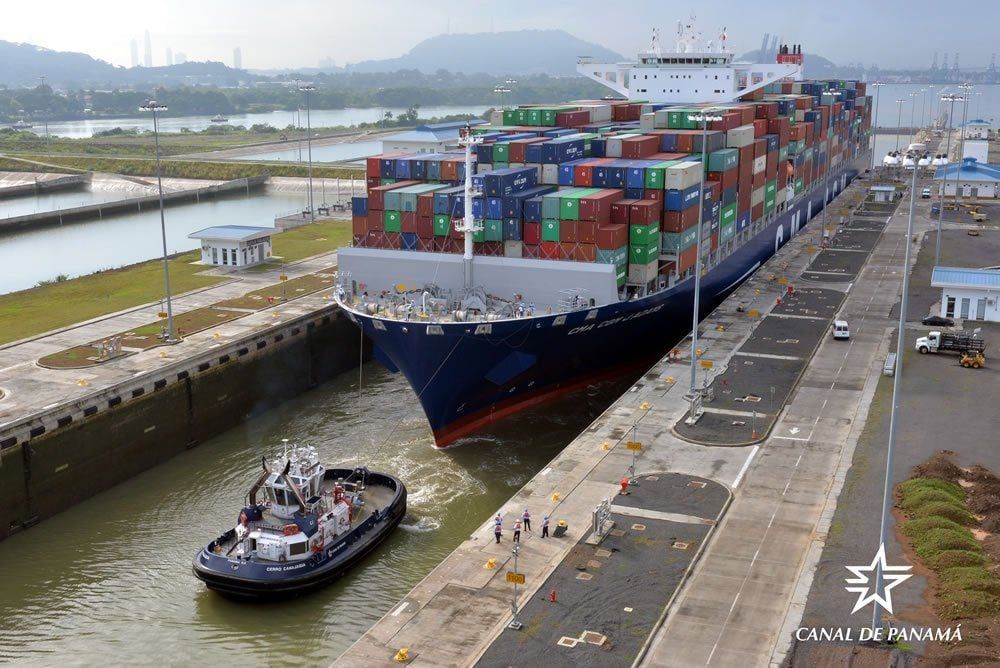
A container ship paid $4 million to cut the line at the Panama Canal, where wait times are stretching more than a week, as vessels seek alternative routes because of the Iran war.
The near-record high auction figure was paid by the owner of the container ship, the Seaspan Benefactor, according to people familiar with the matter who could not be identified because the auction data is private.
Seaspan did not respond to a request for comment on Tuesday.
While typical transits through the waterway are paid by a flat rate via reservations, the Panama Canal Authority also offers customers an auction process in order to bypass the regular queue.
Shipowners are shelling out millions of dollars to use the auction workaround as the Iran war forces more congestion at the Panama Canal, which links the Atlantic Ocean with the Pacific. Buyers and sellers of oil, natural gas, fertilizer and chemicals, especially those in Asia, have scrambled to find alternative routes with traffic deeply curtailed at two key Persian Gulf transit points — the Strait of Hormuz and more recently the Bab el-Mandeb.
Neopanamax-size vessels, such as those carrying liquefied petroleum gas, liquefied natural gas, crude oil and refined products, have to wait 10 days in line, the highest since May for Pacific-to-Atlantic transit, according to data from Argus Media.
The $4 million paid by the Seaspan Benefactor to jump to the front of the line on Monday was more than double the average of the previous seven days, according to a document seen by Bloomberg.
As of Tuesday, the vessel was shown positioned on the Pacific side of the Panama Canal and looked to be waiting to transit northbound, according to shipping data compiled by Bloomberg.
The Panama Canal Authority said in a statement that auctions have experienced an increase in market costs due to shifts in global trade supply and demand and acknowledged that some have exceeded $1 million.
It declined to comment on the most recent $4 million transaction and vessel owner.
Adding to the bottleneck are maintenance outages at the locks. Work that is expected to last until September is also affecting locks that handle Neopanamax-size vessels. The canal also recently reduced the maximum allowed draft in the Neopamax locks over the coming weeks amid lower-than-expected rainfall due to the El Niño phenomenon.