• 2 min de lectura
• 2 min de lectura
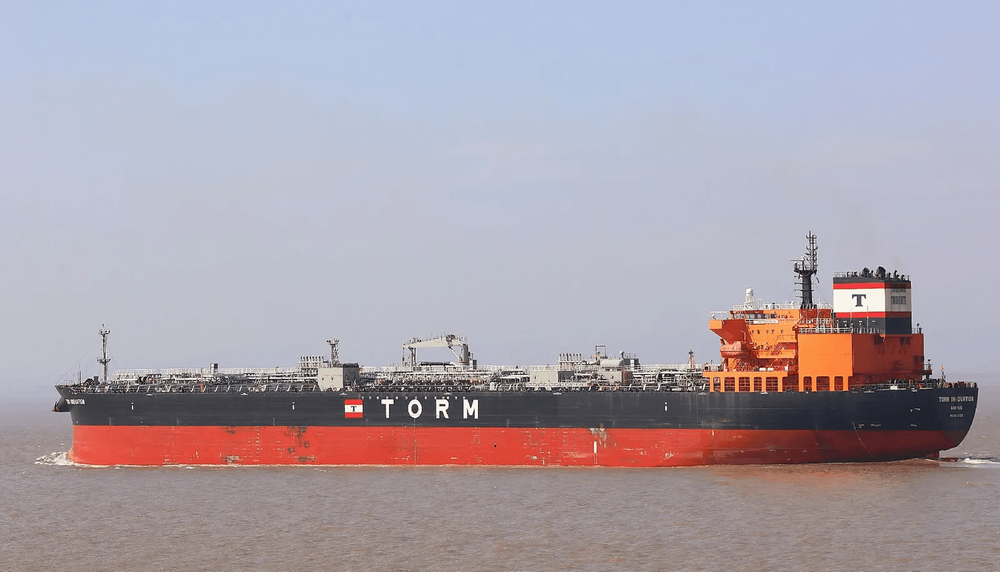
The Danish-flagged oil product tanker Torm Innovation will sail with its cargo to Asia via the Suez Canal, as reported by the vessel's owner, Torm, following Houthi threats to maritime shipping in the southern Red Sea.
On Monday, July 20, Yemen's Houthis, aligned with Iran, declared a naval blockade against Saudi Arabia, opening a potential new front against the United States in the war with Iran and expanding the threat to global trade and energy supplies beyond the Gulf.
"Given the security situation in the southern part of the Red Sea, the vessel will sail through the Suez Canal and around the Cape to Asia. This reflects our cautious approach to crew safety, which remains our highest priority," a Torm spokesperson stated.
Torm had suspended transits through the southern Red Sea since January 2024 and "only after a rigorous case-by-case assessment did we transit a few vessels this summer," the spokesperson added.
The vessel was sailing in the northern Red Sea on Friday the 24th, with the Suez Canal as its registered destination.
It is estimated that fuel shipments to buyers in Asia via Suez will add another 30 days to the journey if vessels cannot continue through the Bab el-Mandeb Strait, in the southern Red Sea, which provides access to the Gulf of Aden.
The closure of the Bab el-Mandeb Strait would eliminate a critical alternative to the Strait of Hormuz for Saudi Arabia and increase fears of shortages.
Traffic in the Red Sea has not fully recovered since Houthi attacks off the coast of Yemen began in November 2023, in what the group called an act of solidarity with Palestinians in the Gaza war.
The group's aggressions against merchant vessels only ceased with the Gaza ceasefire in October 2025.
This week, at least one Saudi oil tanker was attacked off the Port of Jizan, in southern Saudi Arabia and near Yemen, an act claimed by the Houthis.
Previous waves of Houthi attacks on shipping in the Red Sea caused volumes transported through the Suez Canal to fall by more than 50% since 2023, reaching their lowest levels in at least 50 years last year, according to data from the Suez Canal Authority.