• 2 min de lectura
• 2 min de lectura
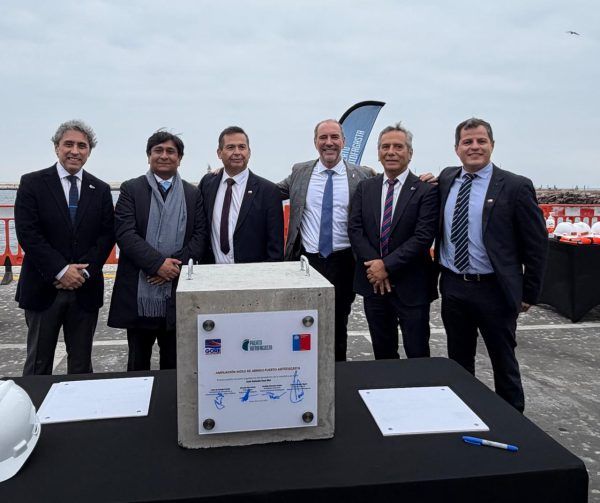
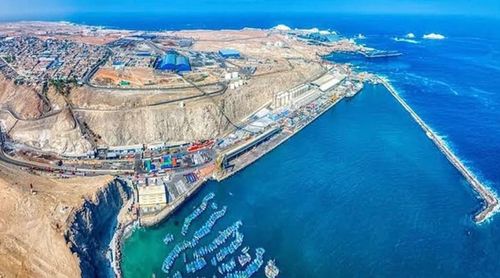
The Biminister of Public Works, Transport and Telecommunications, Louis de Grange, led the "first stone" ceremony for the expansion of the Port of Antofagasta breakwater, an initiative considered strategic and representing one of the most relevant infrastructure projects for the logistical development of the country's north.
In this regard, the biminister highlighted that "these are state works that transcend governments and have a direct impact on the quality of life of families, and of course also on employment and the projection of growth that, together with the support of President José Antonio Kast, we are enthusiastically pushing from the different departments nationwide."
"These investments remain, they remain for decades and sometimes for centuries, therefore, the return, the social profitability of these works is tremendous, and this gives a particular boost to Antofagasta and the region, which will also complement future and upcoming mining investments," added De Grange.
Regarding the financing of the project, it was detailed that the contribution from the Antofagasta Port Company amounts to $36,874,477,981, representing approximately 80.4% of the total investment. For its part, the Regional Government (Gore) complements this figure with $8,999,996,000, specifically allocated for civil works and administrative management.
Meanwhile, Rodrigo Saavedra, Chairman of the Board of the Antofagasta Port Company (EPA), emphasized that "this strategic work will allow us to reduce port closures by 80%. Due to rough seas, in a year we can have up to 40 or 50 days of closure, which obviously affects exports and imports. With this work, we will reduce it by almost 80%, which will obviously allow us to have more operating days. We will jump from practically 3 million tons per year to 7 million, which will make us a tremendously competitive port in the Southern Cone."
Regarding the benefits of the project, the expansion will reduce vulnerability to adverse weather conditions and rough seas; decrease port closures, improving operational continuity; allow the reception of New Panamax vessels, increasing logistical competitiveness; strengthen support for mining and facilitate the transport of supplies; and prepare the infrastructure for future energy projects in the region.
This intervention—projected to be completed by the end of 2028—constitutes a key investment for the development of Antofagasta, strengthening its logistical and port capacity to respond to the challenges of future growth.