• 2 min de lectura
• 2 min de lectura
Just weeks after federal charges were filed against half a dozen shipping container manufacturers and their top executives for alleged price-fixing, shippers are starting to pile on with civil lawsuits of their own. Two class-action suits filed in California this week could add millions of dollars in additional liability for the defendants, regardless of the outcome of the criminal trial.
In mid-May, the Department of Justice charged a group of Chinese container OEMs with colluding to limit production. The defendants are the biggest names in the industry: market leader CIMC, Dong Fang, CXIC, Singamas, and two unnamed co-conspirators, together accounting for about 95 percent of global production of standard dry shipping containers. DOJ alleges that they began working together to suppress output and raise their prices.
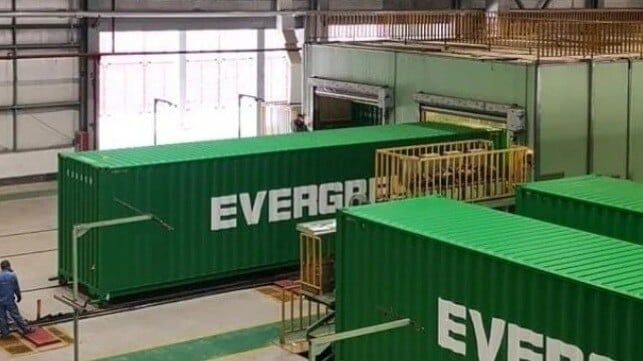
The indictment alleges that the container OEMs agreed to restrict shifts and hours for their respective production lines. To eliminate cheating, they installed 87 video cameras on nearly 50 container production lines so that they could all watch each other's operations, DOJ claims. By late 2022, the conspirators allegedly expanded the restrictions to include comprehensive caps on "total allowable capacity" for each company's annual production.
Over this period, these companies became exceptionally profitable amidst a shortage of containers and a boom in demand. CMIC's profit soared from $20 million in 2019 to $1.75 billion in 2021, when COVID-era container demand was at its peak.
The new class action lawsuits draw upon the federal indictment. The first was brought by electrical component manufacturer C.A. Spalding Co., and the second by trucking company Daybreak Express. Daybreak buys containers for its own use, and its suit seeks to reclaim damages on behalf of container owners for the extra cost of allegedly inflated prices.
C.A. Spalding does not itself buy containers, but it claims damages on behalf of itself and other cargo owners because allegedly inflated container prices were "passed through to them in the prices they paid [for shipping] . . . whether separately or as a component of the price of transportation." This definition of indirect harm, combined with the fact that almost all containerized freight touches containers made by the six defendant companies, means that this class of plaintiffs could include the vast majority of cargo owners.
The lawsuits seek damages equal to triple the amount of the alleged overpricing, plus attorneys' fees and interest.
Fuente: The Maritime Executive