• 2 min de lectura
• 2 min de lectura
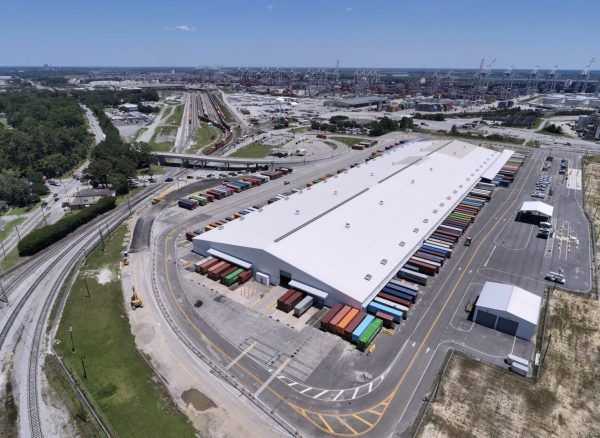
Customers of Georgia Ports will have a new option for refrigerated cargo inspection starting July 1, 2026, when operations begin at the 4,000-square-foot refrigerated space of U.S. Customs at the Port of Savannah.
"Our customs station at the terminal facilitates the agile handling of perishable cargo. We know it's important for shippers that these products reach store shelves as quickly as possible, while maintaining food safety," stated Griff Lynch, GPA President and CEO.
Refrigerated cargo inspections will be conducted in a temperature-controlled environment, without interrupting the cold chain. Port officials indicated that the facilities have specialized infrastructure to ensure temperature control, cleanliness, ventilation, and freshness throughout the clearance and inspection process. There are 20 power outlets on the exterior walls for refrigerated containers on chassis.
The inspections aim, in part, to protect national agriculture from invasive pests or plant diseases. The temperature-controlled section of the facility offers agricultural product importers a new option for refrigerated cargo to be inspected at the port, and will complement the numerous nearby refrigerated warehouses located off-dock. A dozen companies in the Savannah area operate nearly 2.4 million square feet of refrigerated storage, including 1.64 million square feet for frozen cargo and over 752,000 square feet of chilled space.
The new inspection center at the Port of Savannah supports one of the fastest-growing sectors for GPA. Refrigerated cargo imports have increased by 10.5 percent so far in the fiscal year (from July 1, 2025, to May 31, 2026), reaching 43,540 twenty-foot equivalent container units.
The refrigerated space is part of a $49.25 million project that relocated U.S. Customs and Border Protection operations from its previous 130,000-square-foot location at the Garden City terminal to an adjacent 300,000-square-foot building, also at the terminal.
These facilities allow for federal inspections, not only by Customs, but also by other agencies such as the U.S. Department of Agriculture and the Fish and Wildlife Service. In addition to the warehouse, the new CBP space includes 400,000 square feet of parking for outdoor inspections.
Source: portalportuario