• 3 min de lectura
• 3 min de lectura
North Korean coal and mineral exports, subject to international sanctions, have rebounded due to a lack of supervision by the United Nations (UN), sustained by forced labor and a maritime transport network operating through China and Russia, according to a Seoul-based human rights group.
The Citizens' Alliance for North Korean Human Rights (NKHR), in a joint report with British research group Data Desk, states that this trade has accelerated since March 2024, when Russia vetoed the renewal of the independent UN panel that monitored Pyongyang's compliance with sanctions.
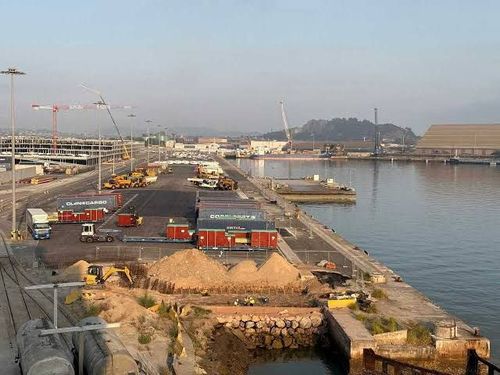
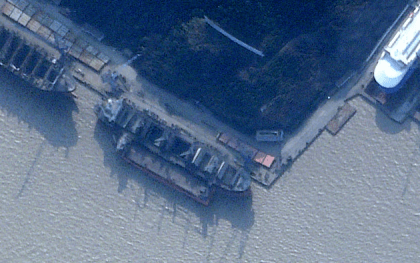
Based on satellite images, the group observed large vessels in five of North Korea's main ports and found that their number almost quintupled in 2025, increasing from 783 in 2019 to 3,756. The count includes all cargo ships capable of transporting other goods such as iron and weapons, not just coal.
In Namp'o, the busiest port facility and the main outlet for coal, ship sightings increased to over 3,000 last year compared to the 554 recorded in 2019, the highest figure in the group's records.
The report also analyzed ship tracking data and found that sanctioned vessels docked in foreign ports more frequently after the collapse of UN supervision, reaching up to 25 visits last year compared to four in 2019.
The report indicated that the coal trade is almost entirely managed by companies linked to North Korea's Ministry of National Defense, which allocates profits to the military and security agencies that operate the country's mines and prison camps.
"Everything is interconnected: forced labor, the goods it produces, and threats to international security. It's all part of the same mechanism and very difficult to track," said Ji-yoon Lee, co-author of the report.
The document states that the mines are worked by political prisoners, unpaid soldiers, and descendants of South Korean prisoners of war who never returned home after the 1950-1953 conflict.
An estimated population of 50,000 to 80,000 people confined to mining work due to a hereditary caste system. The findings were also based on 22 interviews with former prisoners, North Koreans who managed to escape, and former officials.
The UN banned North Korean coal exports in 2017, but South Korea's National Intelligence Service estimates that the country still shipped around 1.5 million tons last year.
Its origin is suspected to have been falsely declared as Russian to expand sales to China and other buyers, according to data from People Power Party lawmaker Yoo Yong-won.
The NKHR called this figure an "absolute minimum," noting that a bulk carrier transports about 39,000 tons and that 1.5 million tons is equivalent to fewer than 40 shipments per year.