• 2 min de lectura
• 2 min de lectura
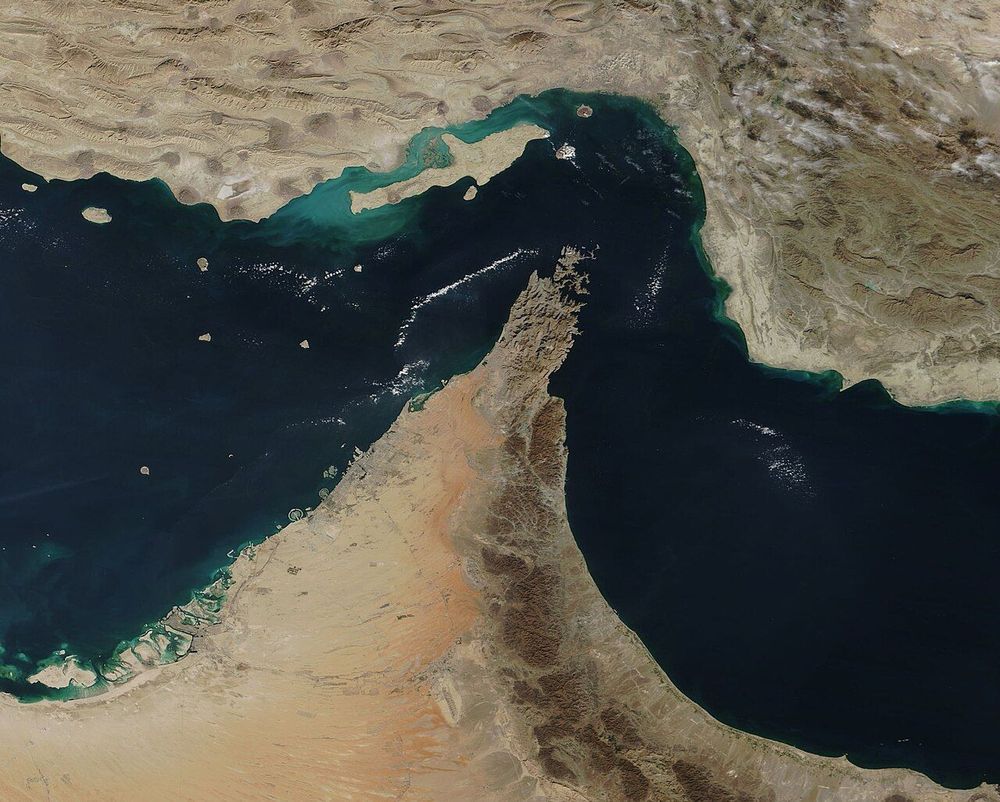
Iran stated that it is not holding negotiations with the United States and is working with Oman to establish "a temporary route" in the Strait of Hormuz, in order to guarantee safe navigation through this strategic waterway.
At a press conference, the Iranian Ministry of Foreign Affairs spokesman, Esmaeil Baqaei, indicated that the talks with Muscat aim to enable a provisional maritime passage.
"Our current discussions with Oman focus on ensuring the safe transit of vessels in the Strait of Hormuz," Baqaei affirmed, according to the semi-official Fars agency.
"We are working to finalize this temporary route as soon as possible, in cooperation with Oman, to ensure navigation in the area," he added.
Baqaei detailed that the dialogue seeks to create an interim navigation corridor that safeguards the interests of both riparian states. This would be achieved by unifying the southern route (in Omani waters) and the northern route (in Iranian territorial waters) into a single bidirectional transit corridor.
"The talks are about a two-way corridor, not about two or three separate routes," the Iranian authority pointed out, adding that the temporary layout will be maintained until a permanent alternative is defined.
On the other hand, the spokesman denied reports of a rapprochement with Washington. "We are not holding negotiations with the United States," he stressed.
The statement comes after US President Donald Trump claimed that talks with Iran would begin on Monday, August 3, in the afternoon, showing optimism about reaching an agreement on Iranian denuclearization and security in the strait.
Baqaei also warned that the situation in Hormuz "will not change as long as the United States maintains its acts of aggression and its blockade."
Between July 8 and 24, the US and Iran exchanged military attacks. Washington bombed targets in Iranian territory, while Tehran responded against what it described as American military installations and equipment in several Arab countries, particularly Jordan, Bahrain, and Kuwait.
The escalation occurred after a memorandum of understanding signed between both nations in June and the start of negotiations aimed at a definitive agreement.
However, the dialogues stalled due to discrepancies over security guarantees and freedom of navigation in the Strait of Hormuz, one of the most strategic passages for global trade and energy supply.