• 3 min de lectura
• 3 min de lectura
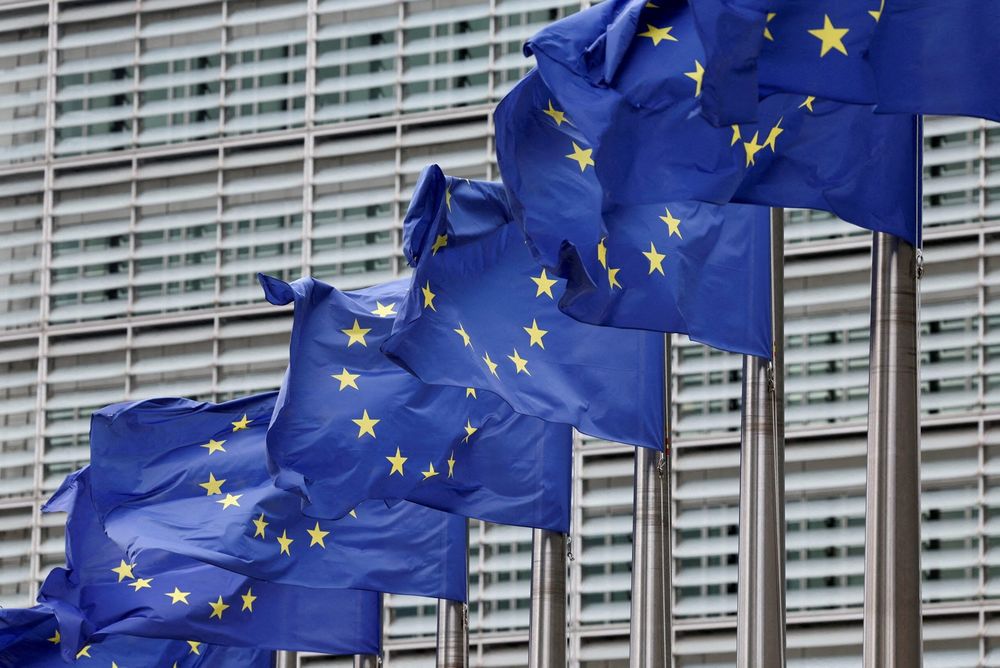
European Union imports of Russian liquefied natural gas from the Arctic Yamal LNG project continue to climb in the first five months of 2026 despite the bloc's efforts to phase out Russian fossil fuel purchases and new restrictions targeting some LNG contracts.
EU ports received 8.37 million metric tons of Yamal LNG between January and May, up 17.9% from the same period a year earlier, according to ship-tracking data from Kpler analysed by environmental campaign group Urgewald.
The figures suggest the EU's latest measures banning short-term contracts have so far had little practical impact on import volumes, extending a trend that was already evident after the bloc's 2025 ban on re-exporting Russian LNG cargoes through EU ports.
A total of 114 Yamal LNG cargoes arrived at EU terminals during the first five months of the year, equivalent to one tanker calling at a European port roughly every 1.3 days. Europe accounted for 96.7% of Yamal's exports during the period, while only four cargoes were delivered to China.
The EU has repeatedly pledged to eliminate its dependence on Russian energy following Moscow's invasion of Ukraine. However, LNG imports from Novatek's Yamal LNG project in northern Siberia have remained resilient.
In May alone, 23 of 25 Yamal LNG cargoes were delivered to EU ports, totalling 1.7 million tons, or 92% of the project's monthly exports. That was 20.7% higher than in May 2025.
The latest figures come weeks after restrictions on certain short-term Russian LNG contracts took effect. Industry observers had expected the measures to curb imports, but volumes have continued to rise.
"EU imports of LNG from the Russian Arctic are still rising. The short term contract ban has had no visible effect so far, because a timing gap in the rules weakens its impact. That is disappointing, as the current circumstances seem favorable for ending the war by seriously increasing pressure on Russia," said Sebastian Rötters, sanctions campaigner at Urgewald.
Under the EU rules, imports under short-term contracts signed before June 17, 2025 were banned from April 25, 2026, while new import contracts for Russian LNG have been prohibited since March 18, 2026. Analysts say a gap between those dates may have allowed a significant volume of purchases to continue.
Spain re-emerged as the largest importer of Yamal LNG in May for the first time since July 2024, receiving eight cargoes totalling 586,279 tons. Spanish imports had previously fallen substantially after a surge in Russian LNG purchases in 2023 and 2024.
Over the first five months of 2026, Spain imported 2.13 million tons of Yamal LNG in 29 cargoes, a 45% increase compared with the same period last year, the data showed.
Belgium's Zeebrugge remained the single most important European entry point for Yamal LNG. The terminal received six cargoes totalling 439,766 tons in May and 31 cargoes between January and May, up from 25 cargoes a year earlier.
Zeebrugge had previously served as a major transshipment hub for Russian LNG through the Fluxys-operated terminal.
However, the EU's 2025 ban on re-exporting Russian LNG cargoes appears to have had little effect on overall Yamal export volumes. Instead of being transferred onward to non-EU destinations, many cargoes that previously used Zeebrugge as a transit point are now remaining in Europe and being imported directly into the EU market.
Based on average Dutch TTF gas prices, the Yamal LNG delivered to Europe between January and May was worth roughly 4.4 billion euros ($5 billion), according to Urgewald's calculations.
Fuente: GCAPTAIN_NEWS