• 2 min de lectura
• 2 min de lectura
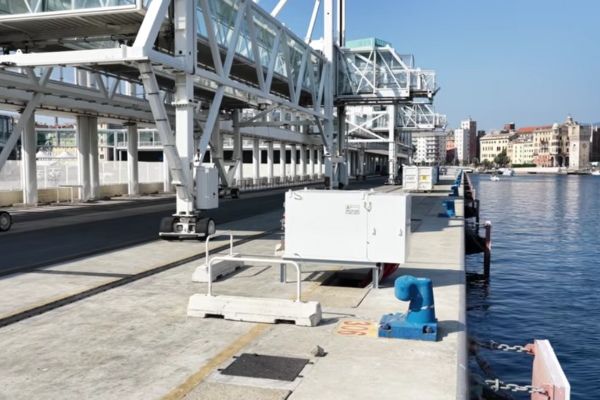
The construction of a new shore power facility for the Port of Savona Cruise Terminal has been completed. This installation will allow docked vessels to receive power from the terrestrial electricity grid while at the pier, significantly reducing emissions and the impact of port activities on the city.
With the completion of the works, the new electrical substation and the necessary infrastructure to connect the cruise terminal's piers have been installed. The project now enters its final phase, which will culminate in the awarding of the management contract for the facility, in accordance with current regulations.
Uninterrupted shore power is one of the most effective technologies for improving air quality in ports: while docked, ships can turn off their generators and continue to power all onboard services using the electricity grid. This system significantly reduces emissions of carbon dioxide, nitrogen oxides, sulfur oxides, and particulate matter, with tangible benefits, especially in urban areas where the port and city coexist.
The Savona Cruise Terminal overlooks the Vecchia Darsena, one of the city's liveliest areas, just a few steps from the historic center. The reduction of emissions from docked ships contributes to improving air quality and the livability of an area frequented daily by residents and visitors.
This project is not an isolated case but is part of a broader strategy with which the Western Ligurian Sea Port Authority supports the energy transition of the system's ports. In July, photovoltaic systems installed on the roofs of port warehouses were also completed, which power energy storage systems and a smart grid for distributing energy to public services in the port.
Concurrently, work continues to implement the grid connection at the Vado Ligure container terminal. This coordinated set of investments seeks to build a true port energy ecosystem, capable of integrating energy generation from renewable sources, storage, smart distribution, and the electrification of piers.
This model seeks to demonstrate how infrastructure development, traffic growth, innovation, and sustainability can go hand in hand, strengthening the role of ports as economic drivers and, at the same time, contributing to improving the quality of life for communities living and working in port areas.