• 3 min de lectura
• 3 min de lectura
The Ministers' Committee of the Environmental Assessment System (SEA) rejected the appeals filed by observers of the citizen participation process against the Copiaport-E port project, maintaining the favorable Environmental Qualification Resolution (RCA) granted in September 2025. This ratifies the viability of the initiative, which also has the backing of the Chiricahua Apache North American tribe.
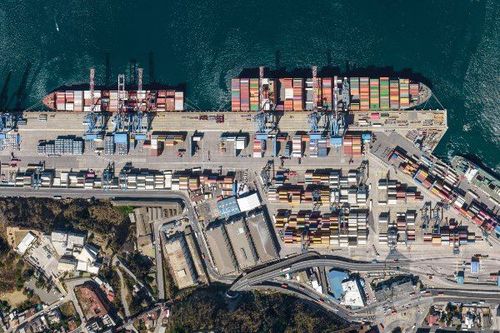
Among the opponents were the municipalities of Caldera and Copiapó, as well as various individuals. Copiaport-E contemplates the construction and operation of a port complex in the commune from which it takes its name, intended for the reception, storage, and shipment of clean bulk, as well as the transfer of containers, general cargo, and fertilizers.
In particular, the Committee considered that the information gathered allowed for an adequate characterization of the project's effects on the marine ecosystem, ruling out an underestimation of its impacts and validating the committed mitigation and monitoring measures.
The body also supported the analysis carried out on terrestrial fauna and considered the proposed measures sufficient to address the identified impacts. Likewise, it concluded that the information collected on herbaceous flora, geophytes, and the flowering desert phenomenon allowed for an adequate evaluation of these components, ruling out relevant environmental effects.
Regarding water resources, it maintained that the hydrogeological modeling and monitoring programs rule out risks for human supply, subsistence activities, and ecosystems associated with the Quebrada del Totoral. Similarly, it considered the potential interferences on the circulation, connectivity, and access of human groups in the area to be adequately evaluated.
Regarding landscape and tourism value, the resolution concluded that the presented background was sufficient to determine that the project will not generate relevant environmental alterations. A similar evaluation was carried out regarding the archaeological and cultural heritage present in the area of influence.
Likewise, it ratified that the indigenous consultation was initiated in a timely manner and developed in accordance with current regulations for communities susceptible to direct impact. Along with this, it dismissed claims related to sectoral and public policy matters, considering that they exceed the scope of competence of the Environmental Impact Assessment System (SEIA).
Among the main facilities considered in Copiaport-E are a Clean Bulk Terminal with a capacity of up to 10 million tons annually and a Multipurpose Terminal for handling containers (300,000 TEU/year), general cargo (150,000 TPA), and fertilizers (150,000 TPA). Its construction is estimated to take 24 months and an investment of USD 450 million.
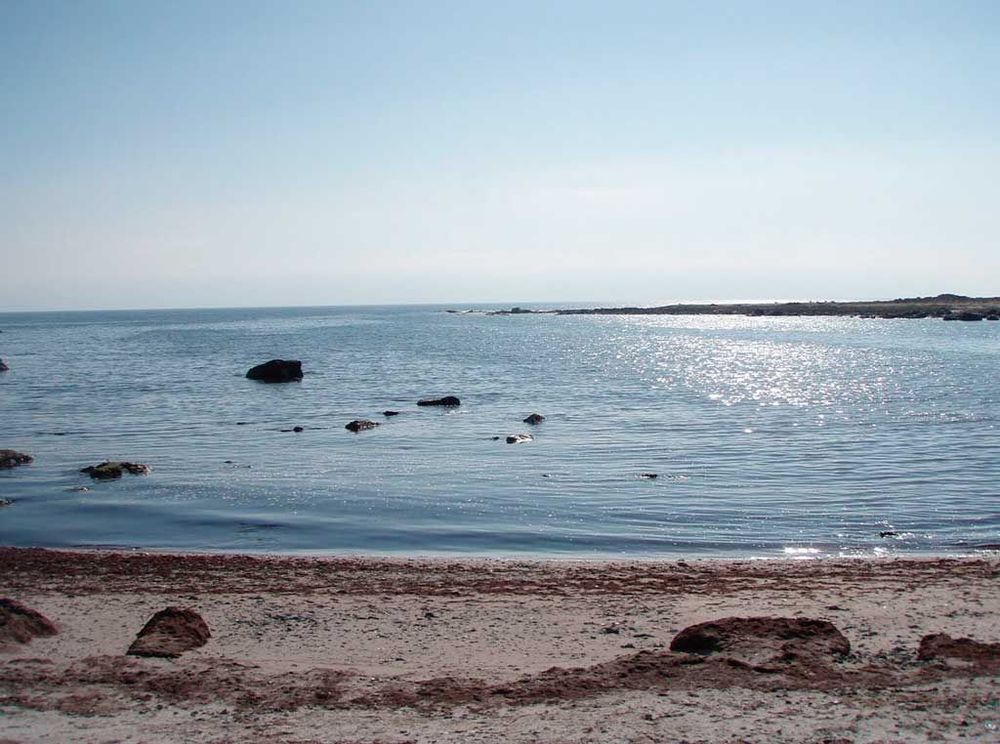
In this way, the Ministers' Committee formally rejected the appeals presented by organizations and individuals who participated in the environmental assessment process, although it introduced specific modifications to the RCA related to the monitoring of green turtle (Chelonia mydas) specimens in Bahía Chasco.
Copiaport-E is expected to have an approximate useful life of 50 years, which preliminarily comprised between 2024 and 2074 in its operational phase. The processing of the project - which aims to become the first ecological megaport in Atacama - formally began in 2020 and required three addenda (2022, 2023, and 2025) before being favorably voted on by the commission.
Source: Portal Portuario