• 3 min de lectura
• 3 min de lectura
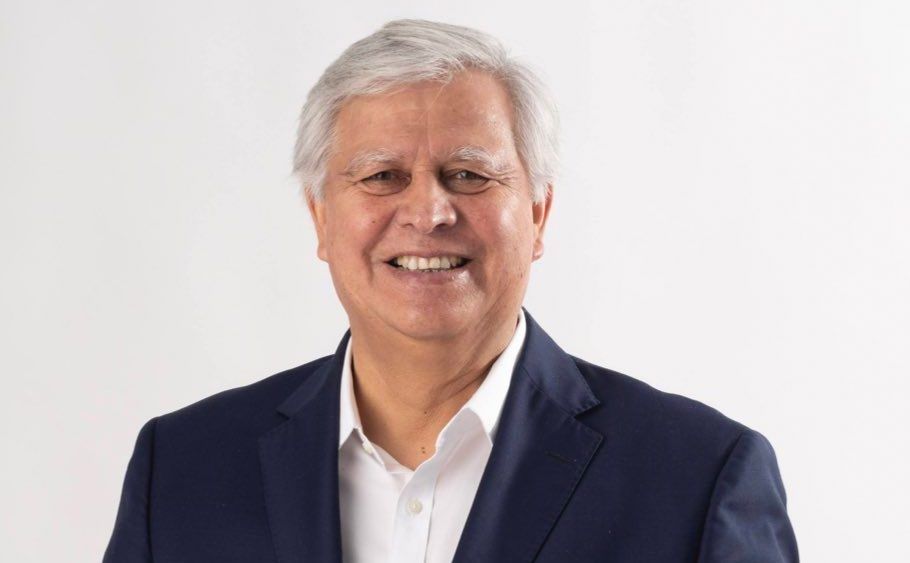
Gastón Saavedra Chandía is a Senator of the Republic of Chile for constituency 10, Bio Bio Region.
There are principles that sustain a nation long before laws, budgets, or governments. One of them is trust, the certainty that when the State makes a commitment, that commitment will be honored, that the word pledged by the Republic does not change with the outcome of an election or with the political color of a new administration.
That principle is what is at risk today. Between 2023 and 2026, the State of Chile reached an agreement with port workers to regulate access to special pensions for those who, after decades of physically demanding labor, can no longer continue working in ports. This agreement was not an improvised concession; it was the result of dialogue, mutual recognition, and the conviction that social conflicts are resolved by talking and keeping one's word.
Today, however, the Government has decided to unilaterally modify the agreed access criteria. Beyond any administrative reasons that may be invoked, the effect is evident: thousands of workers feel that the State has changed the rules after having given its word.
This creates an institutional problem, because the strength of a democracy is not only measured by its ability to enact new norms. It is also measured by its willingness to respect previously acquired commitments. A reliable State is one whose word transcends governments. This institutional continuity is the basis upon which citizens, workers, investors, and social organizations build long-term relationships.
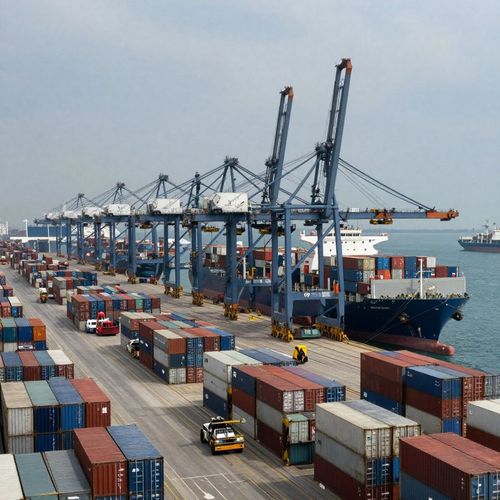
Concern increases when this decision threatens to trigger a port strike. Ports are the gateway for the Chilean economy. Our exports pass through them, and supplies for industry, food, medicine, and essential goods for millions of people arrive. A prolonged conflict – as has already happened – would not only affect the workers involved; it would compromise the country's competitiveness, strain our logistics chains, and project an image to the world of a State incapable of fulfilling the agreements it itself signs.
No country can aspire to be a reliable partner in international trade if it does not first prove to be reliable with its own citizens.
It is essential to abandon any ideological view that prevents finding solutions. Governing requires listening, correcting when necessary, and understanding that agreements do not belong to a political sector; they belong to the State, and the State is all of us.
Port workers are not asking for a privilege. They are asking for a commitment previously assumed by the Republic to be respected.
Chile needs to believe in the value of public word, it needs governments capable of understanding that the continuity of the State is a democratic virtue and not an inherited burden. Each administration has the legitimate right to promote its own program, but none has the right to weaken the trust that sustains our institutional coexistence.
There is still room for dialogue, there is room to rectify and avoid a conflict that would harm workers, the national economy, and Chile's international prestige. This path will only be possible if the Government understands a simple and profound truth: authority is not strengthened when it imposes its will, but when it honors the word of the State, because governments pass, the Republic remains, and trust in its institutions depends, precisely, on that difference never being forgotten.