• 3 min de lectura
• 3 min de lectura
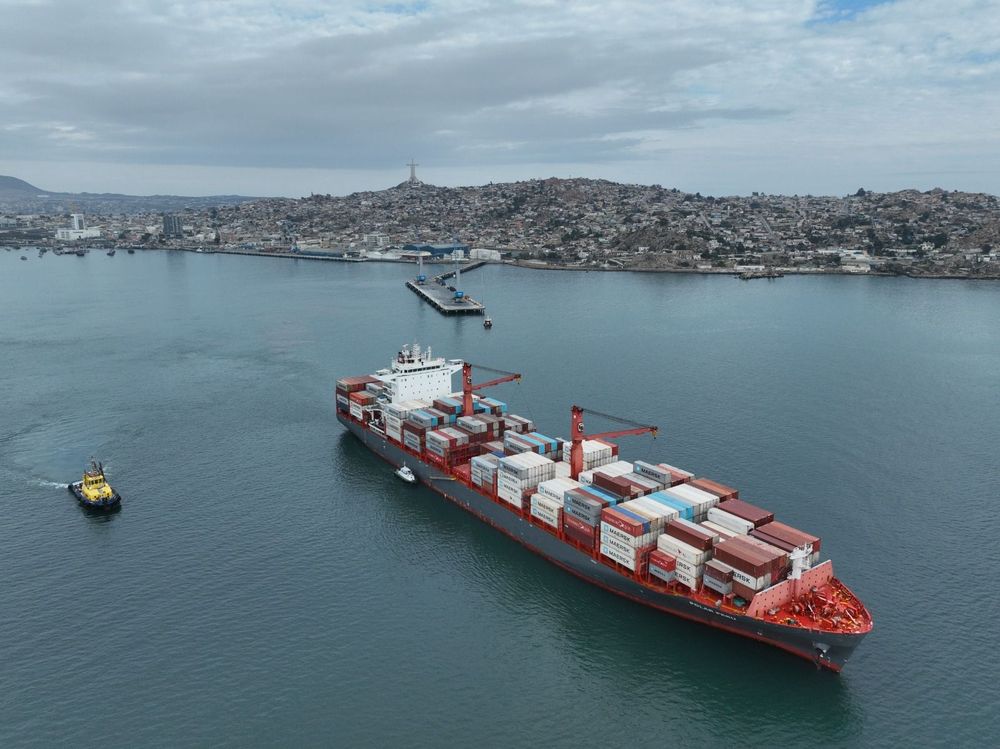
Terminal Puerto Coquimbo (TPC) concluded the 2026 citrus season with the export of a total of 36,708 tons, which allowed connecting regional fruit with markets in the United States, Canada, Mexico, the Netherlands, and Spain.
In this regard, TPC specified that this period is one of the drivers of the economy in the 'norte chico' (small north) region, as the Coquimbo and Atacama regions concentrate a significant portion of Chilean production of mandarins, clementines, lemons, and oranges.
"Every year, this activity mobilizes producers, packaging companies, transporters, and logistics operators, generating thousands of direct and indirect jobs," stated the concessionaire of the Port of Coquimbo.
"Between May and the first week of July 2026, TPC transferred 36,708 tons of citrus, recording a positive balance that reflects its competitive position within the export logistics chain. This result is due to the coordination among producers, exporters, logistics companies, shipping lines, and the terminal, which allows preserving the quality of the fruit until its final destination," it detailed.
"Furthermore, exporters value TPC for bringing the export route closer to production plants, contributing to the efficiency and logistical agility required by fresh fruit. It is worth noting that since 2024, following the inauguration of Site 3, TPC has had a liner service for the citrus season, consolidating itself as a key player for the local market. Before this improvement, the available alternative involved transporting the cargo by land more than 400 kilometers south, with the costs and times associated with that operation," TPC added.
In this regard, TPC General Manager, Laura Chiuminatto, highlighted that "fresh fruit has very tight deadlines, which requires detailed coordination of the work of producers, exporters, transporters, shipping companies, public services, and the terminal. When this chain functions, the fruit arrives at its destination in the condition required by international markets, and that is what sustains confidence in this service season after season."
Meanwhile, the General Manager of Empresa Portuaria Coquimbo (EPCO), Ernesto Piwonka, commented that "this new citrus season marks a true milestone for exporters in the region, who will be able to send significant volumes of clementines, oranges, and lemons directly from the Port of Coquimbo, thus fulfilling one of the objectives of enabling Site 3 in terms of providing services to the region's cargo."
"This service will operate weekly until the end of June, handling this specific cargo, strengthening the logistics chain, and boosting our exports. From Empresa Portuaria Coquimbo, we have worked in coordination through the Logistics Planning Table to anticipate scenarios and contribute, through preventive information, to mitigate possible congestion at the terminal accesses," he added.
For his part, the Regional Secretary of Agriculture for the Coquimbo Region, Vicente Cortés, stated that "the Coquimbo Region continues to consolidate itself as one of the country's main citrus exporting areas. As the Ministry of Agriculture, we have a strong commitment to the export development of the region; we are promoting products that stand out for their quality and safety and also strengthening work with producers, with the aim of continuing to position ourselves in markets as important as the United States. This season, between May and July, more than 22 thousand tons of fresh citrus were exported, with the United States as the main destination."
With the close of this season, TPC is already working with exporters and public services on planning the next cycle, with the aim of further strengthening the position of Chile's 'norte chico' as a reliable origin of fresh fruit for international markets.