• 2 min de lectura
• 2 min de lectura
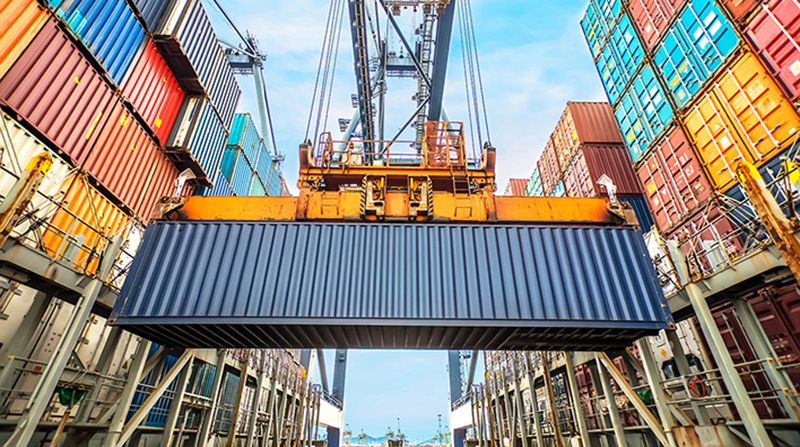
The United States has consolidated its position as the main destination hub for Ecuador's non-oil and non-mining exportable offer, concentrating 26% of the total value of trade flows dispatched during the first four months of 2026. This strategic positioning of the national logistics chain is supported by a marginal increase of 0.3% in shipments to the North American market, mainly driven by high-priority commercial cargo such as shrimp, bananas, and fresh fruits.
According to the Foreign Trade Statistical Report of the Ecuadorian Federation of Exporters (Fedexpor), global sales in the sector represented 62% of the country's total exports, despite registering an overall contraction of 4% in the period. However, foreign trade operations face severe international inflationary pressure exceeding 4% and volatility in global energy costs, variables that directly compromise the traceability and profitability margins of containerized cargo.
Given this scenario, the optimization of processes in conjunction with the maritime and port sector is imperative to safeguard the competitiveness of transport infrastructure and efficiency in the port-city interface. The articulation of a national strategy that guarantees the availability of space for refrigerated cargo and modernizes land logistics services will be the determining factor in capitalizing on new trade agreements with South Korea, Canada, and the United Arab Emirates, ensuring the continuity of flows in international markets.
Source: camara_ecuador