• 3 min de lectura
• 3 min de lectura
Peru is advancing in its consolidation as a logistical hub for South America with the promotion of the southern multimodal corridor and the development of Corío as a future strategic logistics city for international trade, highlighted the Private Investment Promotion Agency (Proinversión).
During the event "Southern Corridor of Peru: Corío Megaport of the Americas," Proinversión's Executive President, Luis Del Carpio, emphasized that Corío aims to become a sustainable logistics node, focused on storage, consolidation, and distribution of cargo on an international scale.
He also pointed out that while a maritime route between Peru and Asia takes around 23 days, the journey from Brazil can extend up to 45 days. The Peruvian south presents and positions a strategic route for the departure of regional cargo towards the Pacific.
"Corío represents a historic opportunity to position Peru as the great logistics platform of the South American Pacific. Its integration with road corridors, ports, logistics platforms, and future railway developments will allow for reduced costs, times, and increased competitiveness of regional foreign trade," stated Del Carpio.
The initiative is part of the logistics transformation process promoted by PROINVERSIÓN under the APP 5.0 model, which promotes integrated territorial corridors, digitalization, sustainability, and logistics governance.
The meeting was attended by the Minister of Transport and Communications, Aldo Prieto Barrera, and the regional governors of Arequipa and Cusco.
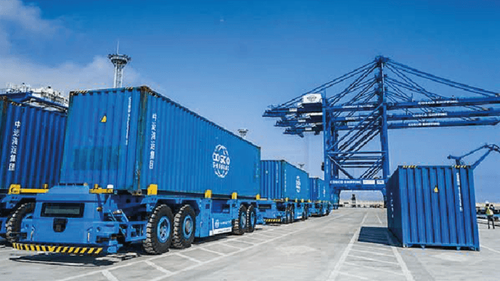
The Southern Axis articulates strategic infrastructure from Matarani, Ilo, and Marcona to Iñapari, connecting Peru with Brazil and Asian markets through bi-oceanic corridors. This system integrates seaports, road infrastructure, logistics platforms, and intermodal connections to boost foreign trade and decentralize economic development.
Proinversión highlighted that exports from the Southern Axis grew from 25% of the national total in 2002 to 44% in 2025, exceeding 40 billion dollars last year, driven mainly by minerals, agro-exports, and industrial products.
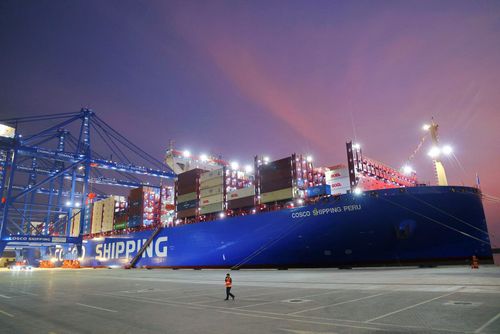
"Peru has a privileged geographical advantage. Ports like Callao, Chancay, and Corío can become gateways for regional trade to Asia, the United States, and Europe," said the head of the agency.
In this context, Corío has been conceived not only as port infrastructure but as a sustainable logistics city oriented towards the storage, consolidation, and distribution of national and international cargo, integrating energy efficiency, sustainable resource use, and modern territorial planning.
The leader of Proinversión noted that the development of the Southern Axis is accompanied by significant private investments promoted over the last two decades. He specified that between 2002 and 2025, the Agency awarded 68 PPP projects in the south of the country for US$ 14 billion and maintains an additional portfolio of US$ 12.9 billion for the 2026-2028 period, including transport, energy, sanitation, and logistics projects.
"The consolidation of modern logistics corridors will attract new investments, strengthen exports, boost regional productive chains, and generate decentralized development with social impact," emphasized Del Carpio.
Proinversión also indicated that national logistics development is based on the National Plan for Transport Logistics Services and Infrastructure until 2032, which identifies structuring corridors and multimodal platforms to strengthen the country's competitiveness.