• 3 min de lectura
• 3 min de lectura
The first Private Special Economic Zones (ZEEP) will offer tax benefits and special logistical conditions to attract investments in industries with little presence in the country.
Peru could take one of its most significant steps towards industrialization. The first Private Special Economic Zones (ZEEP), areas where companies will access tax benefits to develop new export-oriented industries, are expected to begin operations in three years.
This was estimated by Antonio Castillo, institutional director of the National Society of Industries (SNI), in an interview on RPP's Economía para Todos, following the approval of the regulation of the law that allows the creation of these zones with private sector participation.
What are Private Special Economic Zones?
ZEEPs will offer preferential tax treatment for 25 years to companies operating in these zones.
Among the main benefits is an Income Tax rate of 0% in the first five years, which will then gradually increase to 15%, half of the general regime's 29.5%.
The objective is to attract investments in sectors that currently have little presence in the country. Therefore, Castillo emphasized that companies already established in the country will not be able to relocate to these zones solely to take advantage of the tax benefits.
"What the law has carefully considered is that companies in the national market cannot move to the free zone. There cannot be a user who establishes themselves by relocating companies. That is not allowed," highlighted the SNI representative.
Likewise, activities such as clothing, footwear, and some metal-mechanical lines have been excluded to avoid unfair competition with already consolidated productive sectors.
First zones to be developed in Callao, Chancay, and Ancón
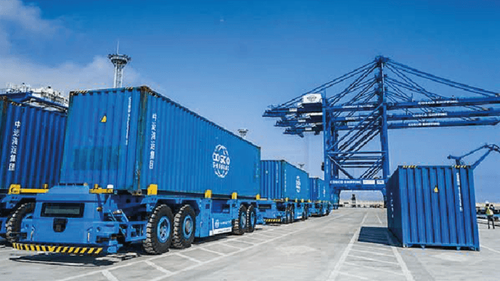
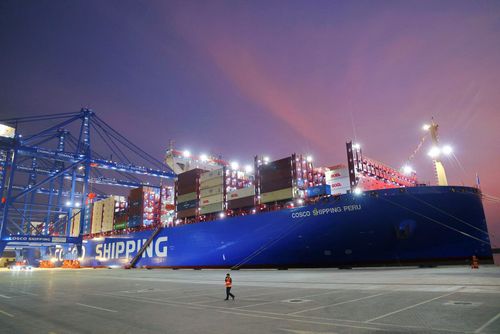
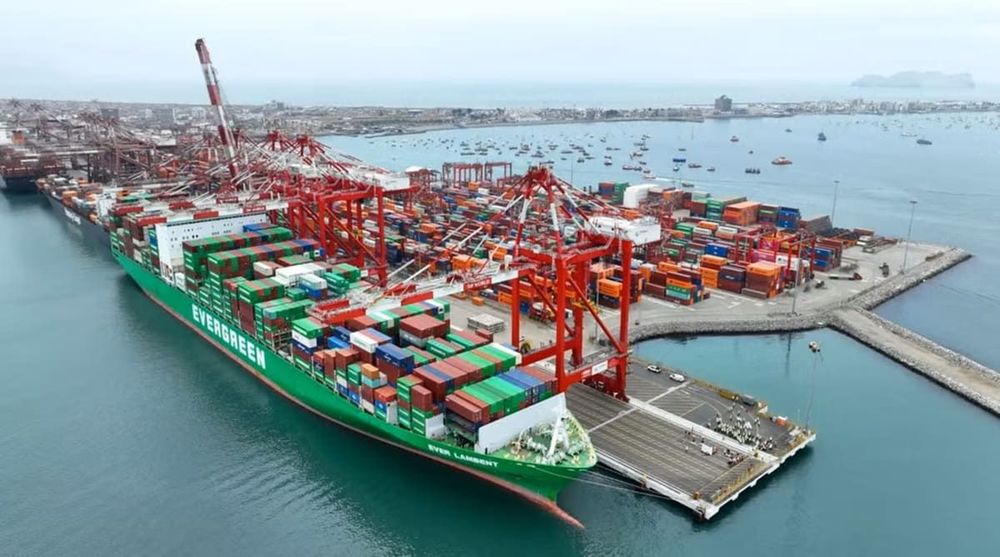
The SNI highlighted that the country has competitive advantages such as the Port of Chancay, the new Jorge Chávez International Airport, and lower energy costs than in other countries in the region.
"What is a logistical advantage today must become an industrial advantage," remarked Castillo.
According to the SNI, the areas with the greatest potential to host these projects are the Callao, Port of Chancay, and Ancón axis. It is along this axis that the development of this economic scheme would begin, strategic due to its port infrastructure and connection with international markets.
Opportunities are also identified in Arequipa, Paita, Iquitos, and Ilo. The industrial guild contemplates the creation of specialized corridors such as an agro-export corridor in the north, a mining-industrial corridor in the south, and logistical spaces linked to the Amazon and the bioceanic axis with Brazil.
Source: apam_nacionales