• 4 min de lectura
• 4 min de lectura
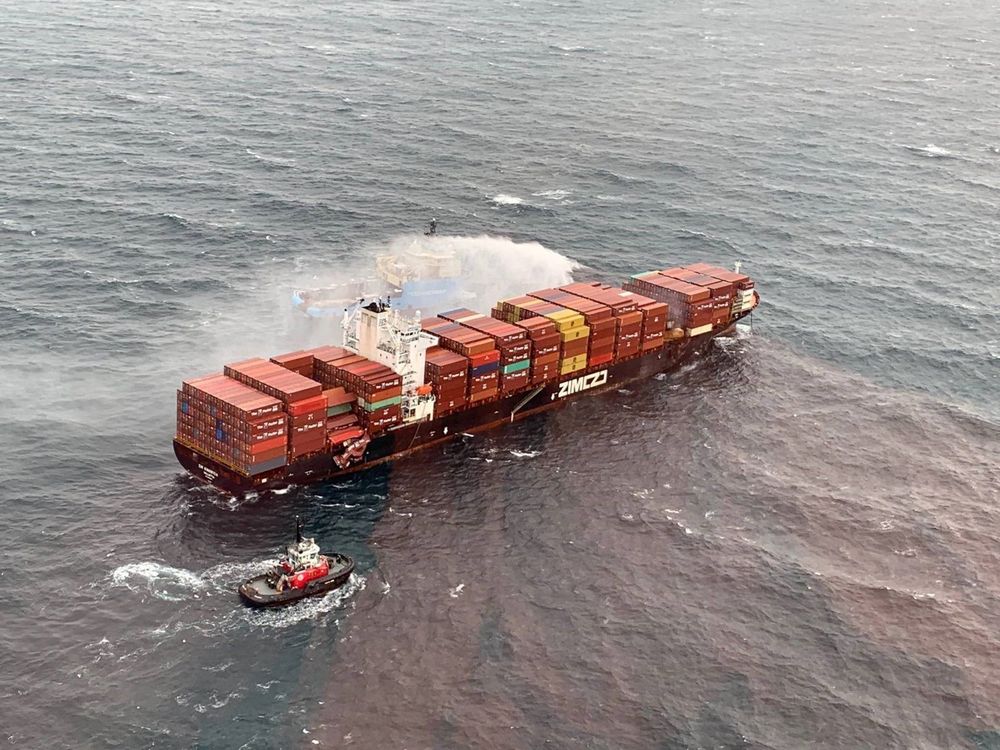
A container ship fire now occurs somewhere in the world roughly every 17 days, highlighting the persistent danger posed by misdeclared and undeclared dangerous cargoes, according to new data cited by the World Shipping Council (WSC).
The figures, released as part of Allianz Commercial's Safety and Shipping Review 2026, show that fires continue to rank among the shipping industry's most serious safety threats. Allianz recorded more than 200 fire incidents involving vessels in 2025, making it the second-highest annual total of the past decade despite a slight decline from the previous year.
The report identifies misdeclared cargo—particularly lithium-ion batteries and chemicals—as a major contributor to container ship fires.
"Misdeclared and undeclared dangerous goods are a known and preventable threat to seafarers, ships, cargo and the marine environment. This is not a paperwork issue. It is a life-and-death safety issue," said Joe Kramek, President and CEO of the World Shipping Council.
"The vast majority of shippers do the right thing. But a small group of irresponsible actors are cutting corners, hiding risk and creating danger for everyone in the supply chain. They are also undermining diligent shippers who follow the rules."
According to Allianz, misdeclared cargo accounts for around a quarter of cargo-related incidents. Improper declarations can result in containers being stowed in unsuitable locations onboard, while also hampering firefighting efforts if an incident occurs.
The issue has become more pressing as global shipments of lithium-ion batteries have surged. Allianz notes that lithium-ion battery deployment in 2025 was six times higher than just five years ago, with demand expected to double again by 2030.
While batteries are central to the energy transition and electric vehicle adoption, damaged or improperly packaged batteries have been linked to a number of major shipboard fires and cargo losses in recent years.
Larger vessels have also amplified the consequences of fire incidents. Allianz warned that crews can quickly become overwhelmed when fires break out on today's mega-ships, sometimes forcing abandonment before salvage teams arrive.
The insurer noted that fires on large container ships and vehicle carriers are increasingly resulting in costly general average claims, where cargo owners and shipowners share the costs of saving the voyage. In some cases, contributions can amount to as much as 50% of cargo value.
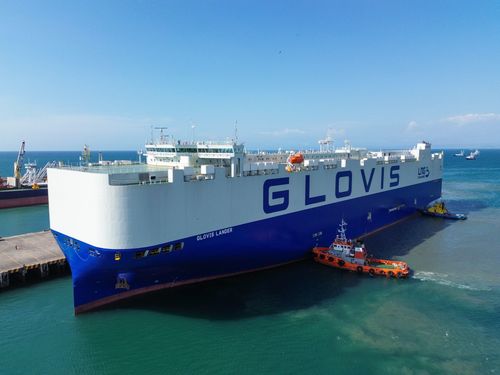
The risks extend beyond container shipping. Allianz said vehicle carriers are facing elevated fire risks as well, with a fire reported every 37 days globally.
In response, WSC said it has expanded efforts both technologically and through international regulation.
The group's Cargo Safety Program uses artificial intelligence to screen container bookings and identify shipments that may have been improperly declared before they are loaded onto vessels.
In one example cited by WSC, a shipment described simply as "hand tools" was flagged during screening and later discovered to contain lithium-ion battery-powered tools that required special handling because of their fire risk.
WSC said the system has already prevented thousands of potentially dangerous shipments from entering the supply chain.
"Industry will do its part, but it cannot solve this challenge alone," Kramek said. "There are international rules already in place to protect seafarers, ships, cargo and the global supply chain. Governments and regulators must enforce them."
The organization has also pushed for stricter fire safety regulations at the International Maritime Organization, including updated requirements for vehicle carriers transporting electric vehicles.
Allianz, meanwhile, warned that the problem is unlikely to disappear anytime soon.
"As battery use surges, updated safety standards, vessel design improvements, and stricter regulations will need to keep pace if this issue is not to continue to challenge the industry," the insurer said.
The warning comes as shipping grapples with a growing list of safety challenges—from geopolitical conflict and GPS spoofing to aging vessels and machinery failures—but fires linked to dangerous cargo remain among the industry's most persistent and potentially catastrophic risks.