• 3 min de lectura
• 3 min de lectura
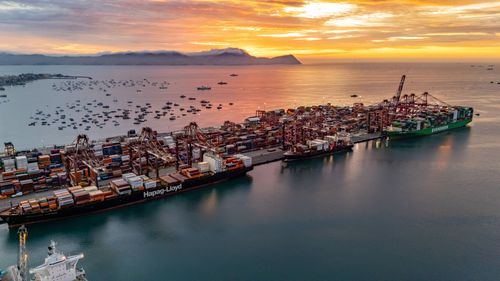
The Port of Casablanca is historically one of the busiest maritime hubs in Africa; and it's showing no signs of slowing down in 2026, with 17 million tons of cargo being processed in the first half of the year. The month of June alone saw 3.53 million tons reach Moroccan shores through Casablanca, representing a 32% year-on-year increase since 2025 ( National Ports Agency).
The port accounts for approximately 35% of Morocco's total port traffic, but with that comes operational challenges in the form of frequent congestion and limited flexibility.
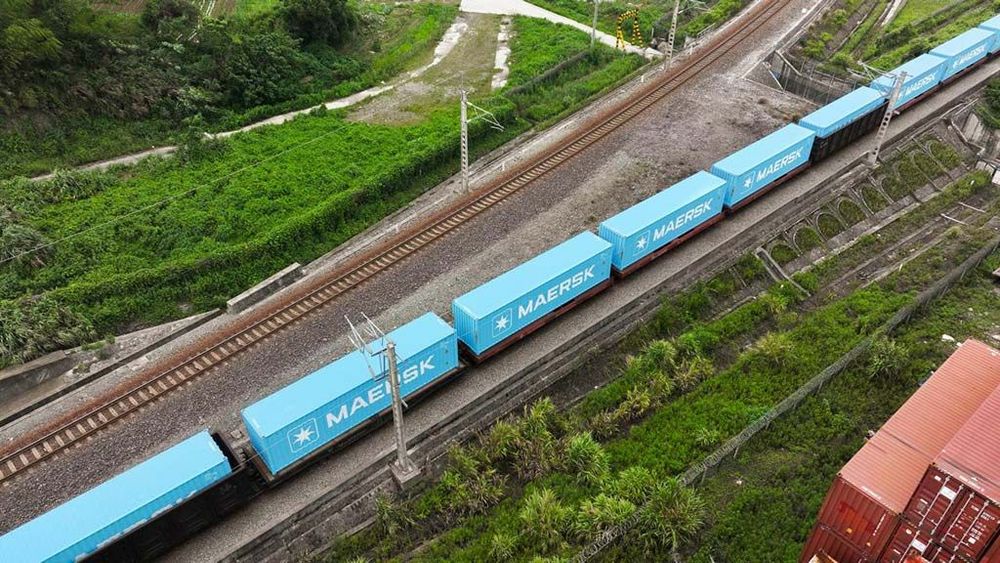
To combat these circumstances and give customers a faster, more predictable solution with more control over end-to-end flows, Maersk is implementing measures that reshape Morocco's logistics backbone – positioning Tangier as the primary maritime gateway into Morocco and connecting it to Casablanca via a high-frequency rail service.
While Casablanca may be Morocco's main industrial and commercial hub, Tangier has established itself as one of the most connected ports in the region – acting as a natural gateway from Morocco to the rest of the world. Maersk's ocean network reinforces this, with frequent vessel connections between Tangier and major global routes ensuring cargo can seamlessly reach all four corners of the globe.
So by bringing Tangier and Casablanca together and integrating them as one proposition, supply chain managers can benefit from enhanced reliability, flexibility, and efficiency.
Rail services between the two locations are fully operational today, with regular departures and predictable transit times helping customers to improve inventory management and planning, while maintaining the steady flow of goods.
Plus, further integration beyond ocean enables Maersk to provide customers with a single point of contact across the entire logistics journey to make it a fully end-to-end solution. The model starts with the ocean leg into Tangier and a dedicated rail connection to Casablanca, but it also delivers flexible customs clearance options, inland storage capabilities, and final-mile truck delivery.
The rail corridor also plays a key role in enabling more resilient and diversified logistics solutions between Morocco and Europe, therefore reducing dependency on a single mode and improving overall flexibility.
What excites me most about this solution is that it addresses a challenge we hear from customers every day. By bringing Tangier and Casablanca together, we're creating a simpler way to move cargo into Morocco's main commercial center. Customers benefit from broader access to global trade flows, more choices in how they manage their supply chains, and a solution that can support growth as their business evolves.
In a logistics environment where reliability and agility are increasingly important, the Tangier-Casablanca rail corridor offers a practical way for businesses to strengthen supply chain performance while navigating the challenges of growing cargo volumes and port congestion.
By combining Tangier's global connectivity with Casablanca's role as Morocco's industrial and commercial centre, customers gain access to a more predictable, integrated and resilient transport solution. As trade flows continue to expand, this approach will help to alleviate pressure on congested gateways and also provide the flexibility and operational control needed to support future growth in Morocco and beyond.