• 3 min de lectura
• 3 min de lectura

The recent storms that have affected Chile, in addition to generating emergency situations and human and economic needs, tested - once again - our logistics infrastructure, especially in the north.
And while this sector has demonstrated significant resilience, reacting with agility to reroute shipments, deploy teams and personnel, and improvise solutions, this has not been enough to cover the weakness of our logistics network: when Route 5 is interrupted, the country is virtually divided in two.
In this context, and as normalcy slowly returns, this fragility calls us to extract clear lessons and transform them into long-term public policies and private strategies.
To mention the main lessons, it is clear that we cannot continue to rely on a single land corridor for the flow of critical supplies. It is urgent to advance in the paving, expansion, and strengthening of secondary routes and pre-mountain roads that can operate as effective bypasses. Road redundancy is not a dispensable cost; it is an insurance of operational continuity for commerce, industry, and, above all, for the well-being of citizens.
Another problem is the high concentration of logistics hubs in the Metropolitan Region, which creates a systemic bottleneck. Promoting the creation of new diversified regional distribution centers - equipped with safety inventories for essential supplies - substantially reduces the risk of shortages. If land routes fail for days, regions must have sufficient logistical autonomy to sustain local demand.
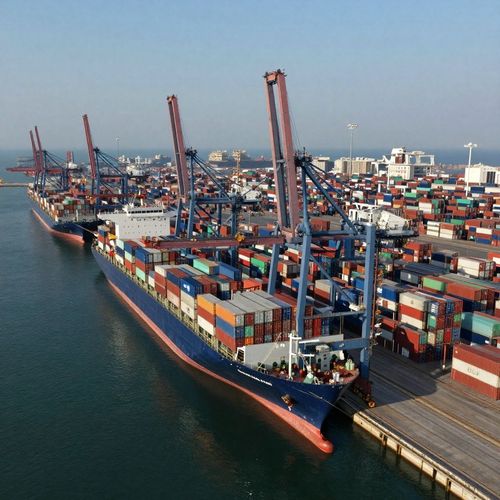
We should also consider that the Chilean coasts are currently an underutilized strategic resource in the face of land emergencies. The maritime route should be the natural backup in the event of highway collapse. To do this, it is essential to accelerate the review and flexibility of the Cabotage Law, allowing the transport of cargo between national ports to be streamlined without bureaucratic obstacles in times of force majeure. A flexible maritime system would act as a true marine highway when the land gives way.
Likewise, in the most critical situations, where time determines the safeguarding of lives or the rapid supply of medical supplies and drinking water, commercial and cargo aviation represents the last line of defense. Contingency plans need to be formalized for the immediate activation of airlifts, along with the strengthening of infrastructure at regional airfields and airports.
Logistical resilience in Chile should not be measured solely by the speed with which we clear a destroyed road, but by the capacity of our system to continue functioning even if that road is unavailable. Public-private integration, the intelligent use of multimodality, and a prospective vision of the territory are the foundations upon which we must build the logistics of the future.