• 3 min de lectura
• 3 min de lectura
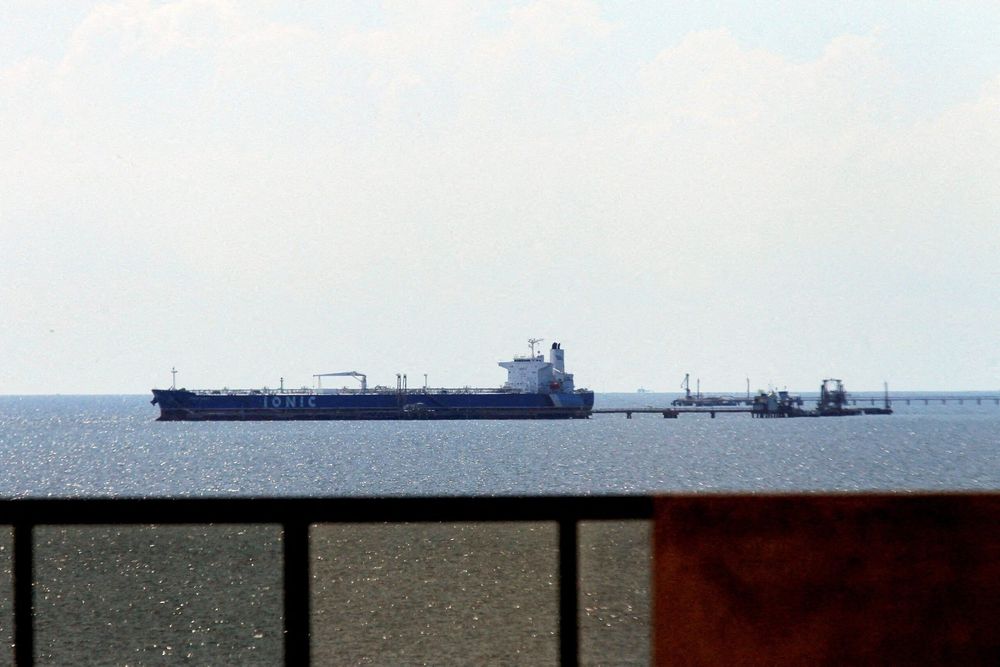
The U.S. Treasury Department on Tuesday unveiled a broad new sanctions framework aimed at reopening significant portions of Venezuela's energy and mining sectors to U.S. and allied companies, while explicitly authorizing shipping, insurance, and logistics activities needed to support exports.
The Office of Foreign Assets Control (OFAC) issued updated versions of seven Venezuela-related general licenses covering oil exports, U.S. diluent sales, energy services, mining activities, transactions involving state oil company Petróleos de Venezuela S.A. (PDVSA), and operations by major international energy companies.
The measures replace licenses first issued earlier this year and establish what appears to be a comprehensive legal framework governing commercial engagement with Venezuela's oil, gas, petrochemical, electricity, and mineral sectors.
Among the most notable provisions is the explicit authorization of maritime services supporting Venezuelan trade. Multiple licenses authorize shipping and logistics services, including vessel chartering, marine insurance, protection and indemnity (P&I) coverage, and port and terminal services involving Venezuelan government-controlled entities.
The authorizations extend beyond crude oil exports. OFAC's updated licenses cover Venezuelan-origin oil and petrochemical products, U.S.-origin diluents used to blend heavy crude, oil and gas field services, electricity infrastructure, and Venezuelan-origin minerals, including gold.
The framework also expands the list of major international energy companies authorized to conduct certain operations in Venezuela. General License 50B covers activities involving BP, Chevron, Eni, Maurel & Prom, Repsol, and Shell and their subsidiaries.
At the same time, the licenses include restrictions designed to limit participation by geopolitical rivals. Several licenses prohibit transactions involving entities tied to Russia, Iran, Cuba, North Korea, or China, while certain authorizations specifically exclude Venezuelan or U.S.-based entities that are owned or controlled by Chinese persons or joint ventures.
Treasury also introduced new contractual requirements intended to provide legal protections for participating companies. Contracts with the Venezuelan government, PDVSA, or state mining entities must be governed by U.S. law and require dispute resolution proceedings to occur in the United States, United Kingdom, France, or Singapore.
In new guidance issued alongside the licenses, OFAC clarified that the requirement does not prevent contracts from recognizing applicable Venezuelan laws governing matters such as permits, labor regulations, environmental compliance, health and safety requirements, and other sovereign regulatory functions.
The licenses additionally establish detailed reporting requirements. Companies engaging in authorized transactions must provide regular reports to U.S. government agencies detailing counterparties, cargo volumes, transaction values, destinations, and payments made to the Venezuelan government.
The updated measures also broaden the scope of authorized petrochemical trade. Treasury's definition of petrochemical products includes numerous fertilizer products and feedstocks such as urea, ammonia, ammonium nitrate, phosphates, potash products, sulfur, and sulfuric acid.
The changes come as the Trump administration continues to reshape U.S. sanctions policy toward Venezuela while seeking to increase Western participation in the country's energy sector and reduce the influence of rival powers in Latin America's largest oil-producing nation.
All seven updated licenses took effect June 10, replacing previous versions issued between February and March 2026.
Fuente: GCAPTAIN_NEWS