• 2 min de lectura
• 2 min de lectura
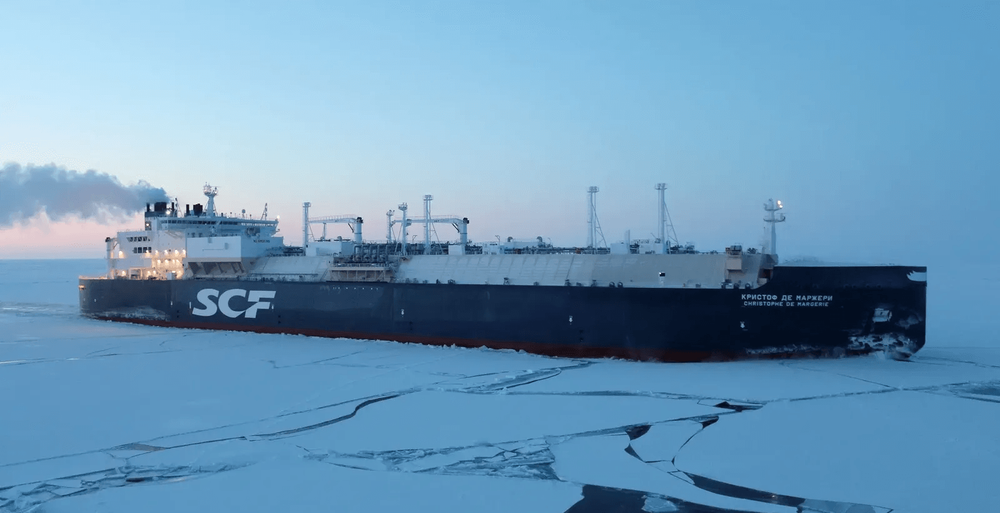
A vessel capable of transporting liquefied natural gas (LNG) departed from a Russian terminal and sailed eastward towards Asia, according to LSEG data, becoming the first tanker this year to set sail along the Northern Sea Route. Navigation through this route opened earlier than usual.
Russia hopes to boost trade with Asia along this route, which it considers an alternative to other routes such as the Suez Canal, at a time of increasing security risks for navigation, especially in the Middle East during military conflicts.
Data shows that the ice-class LNG tanker Christophe de Margerie departed with a cargo from the Arctic LNG 2 plant, which the United States has sanctioned due to the invasion of Ukraine.
Ice-class tankers typically have double hulls, propellers, and reinforced structures to withstand ice pressure.
Last year, the first tanker - with a cargo from the Yamal LNG plant - departed via this route from Russia in the last third of June.
The Northern Sea Route extends from Murmansk, near Russia's border with Norway, eastward to the Bering Strait, near Alaska.
Although the route is physically demanding, it could reduce maritime transport times between Europe and Asia at a time when Russia's trade with Western countries is at its lowest levels since the Cold War, following Moscow's deployment of troops to Ukraine in 2022.
Sea ice around the North Pole reaches its greatest extent at the end of winter, in March, and melts to its annual minimum in September. Ice has decreased in recent decades, a trend that scientists have linked to human-caused climate change.