• 3 min de lectura
• 3 min de lectura
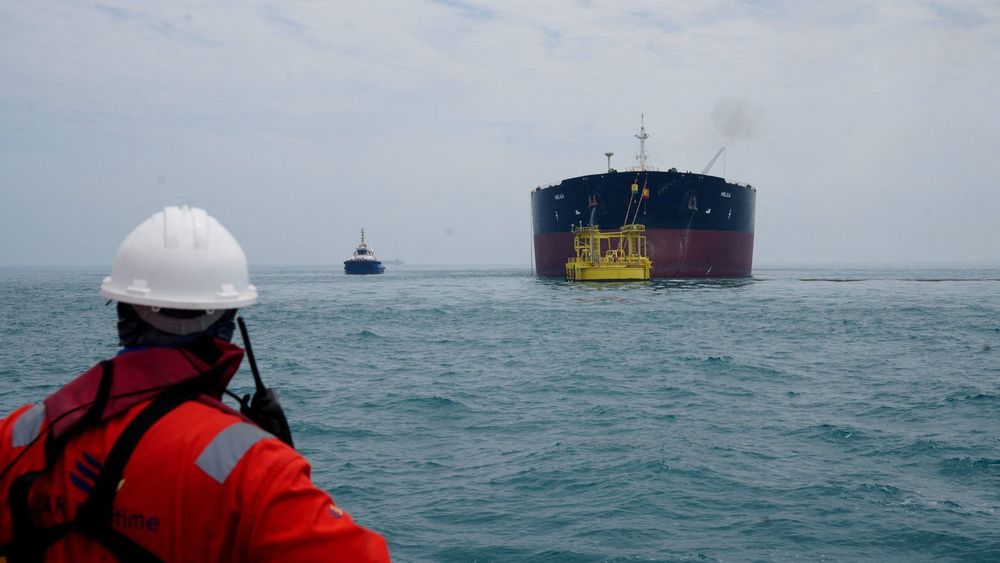
The reopening of the Strait of Hormuz may ease immediate pressure on global shipping and energy markets, but the economic fallout from more than 100 days of disruption will continue to weigh heavily on vulnerable countries long after vessel traffic returns to normal, according to a new report from the United Nations Conference on Trade and Development (UNCTAD).
The report argues that while the resumption of shipping through one of the world's most important maritime chokepoints is an important milestone, lower oil prices alone will not erase the inflationary pressures, higher transport costs and food security risks created during the prolonged disruption.
"The reopening paves the way for recovery," UNCTAD said. "But for vulnerable economies, the path can be longer, uneven and costly."
According to UNCTAD, daily ship transits through the Strait of Hormuz have begun recovering following the announcement of an agreement to reopen the waterway after traffic collapsed during the conflict. At the same time, benchmark crude oil prices have retreated sharply from wartime highs, signaling that energy markets are already responding to the prospect of restored exports.
However, the report notes that shipping markets typically respond more slowly than commodity markets. Freight costs for agricultural cargoes, measured by the International Grains Council's Grains and Oilseeds Freight Index, remain elevated despite the reopening, reflecting the time required for vessels, supply chains and trade patterns to normalize.
UNCTAD warns that the biggest risks now lie outside the shipping industry itself.
Higher oil and natural gas prices during the disruption also pushed up fertilizer costs, increasing agricultural production expenses that could continue feeding food inflation even after energy prices decline. Those effects are expected to fall disproportionately on developing economies that rely heavily on imported fuel and staple foods.
The report identifies 61 vulnerable economies—including least developed countries and small island developing states—that face simultaneous exposure to both oil and cereal import shocks. Many of these countries already face heavy debt burdens, limited fiscal capacity and declining international aid, leaving them with fewer tools to cushion higher import bills.
UNCTAD also cites research suggesting that energy price shocks have had a more persistent effect on inflation since the COVID-19 pandemic than in previous years, increasing concerns that temporary disruptions can produce lasting economic consequences. Food prices, it notes, often continue rising long after energy and grain prices begin falling.
Looking ahead, the agency says restoring shipping alone will not fully resolve the crisis. It calls for continued international support, greater investment in economic resilience and diversification of trade sources, while warning that an expected strong El Niño could further increase food security risks in vulnerable regions.
UN Secretary-General António Guterres urged all parties to preserve the ceasefire and continue efforts to stabilize the region.
"These shocks will be felt for many months—with developing countries bearing the heaviest impacts," Guterres said. "I call on all parties to honour the ceasefire and redouble efforts."