• 4 min de lectura
• 4 min de lectura
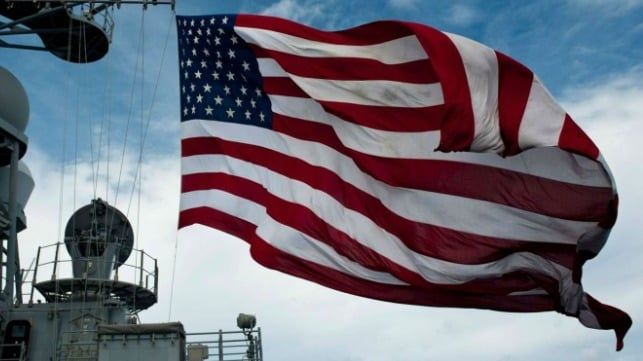
USN file image
The domestic maritime industry is mounting a direct challenge to the Trump administration's unprecedented Jones Act waiver. The measure, which suspends the Jones Act for petroleum and fertilizer shipments from March through mid-August, applies to all U.S. regions and all ports, and has triggered strong opposition from U.S. shipping operators.
The American Maritime Partnership (AMP), representing the domestic maritime sector, launched a national advertising campaign this week aimed at pressuring the White House to rescind the waiver. According to Jennifer Carpenter, President of the American Maritime Partnership, the administration has been misled about the waiver's effectiveness: "Clearly, President Trump has been led to believe that waiving the Jones Act is an effective way to lower gas prices, when we all see that prices have not gone down with the waiver. What the waiver does is put America last by allowing foreign operators and mariners to take American business and jobs."
Data from RBN Energy shows that through May 21, approximately 60 waivers have been issued for foreign-flag vessels. The majority target fuel deliveries from the Texas coast to California, a market historically characterized by high gasoline prices. California's heavy reliance on imports—due to substantial refinery closures in recent years—has made it the primary beneficiary of the waiver. Since the waiver period began, California has received more than three million barrels of petroleum products from Texas refiners. Additionally, crude oil from the Gulf, including Strategic Petroleum Reserve barrels from Louisiana, has been routed to California refineries to compensate for reduced overseas deliveries.
Other regions have also benefited, though at smaller scales. Foreign-flag voyages have transported cargo from the Texas coast to Florida, Pennsylvania, and Puerto Rico, with a handful of shipments reaching as far north as Alaska.
Despite the expanded access to foreign tanker capacity, the waiver has failed to produce visible reductions in retail gasoline prices. In California, where the majority of waiver-enabled voyages have concluded, average gas prices reached $6 per gallon in early May and have remained at that level. Over the same period, domestic crude oil prices fell approximately 20 percent, from about $105 to about $87 per barrel.
According to commodity research firm Argus, the cost savings from using foreign-flag tonnage amount to approximately six cents per gallon—a reduction insufficient to materially influence pump prices. The Center for Maritime Strategy, which supports the Jones Act, estimates the savings to be even lower.
The waiver is generating significant negative consequences for the U.S. domestic maritime fleet. According to the American Maritime Partnership, the measure has prompted one investment platform to halt a planned $1 billion capital raise for American domestic shipping, jeopardizing an additional $2.6 billion in shipyard contracts.
Jennifer Carpenter emphasized the contradiction between the waiver and the administration's stated priorities: "[The waiver] directly undermines the very policies that President Trump campaigned on and has championed – buy American, hire American, and strengthen our national might. The President should trust his instincts, follow his outlined policies and put America and our national security first."
The financial barriers to foreign-flag domestic arbitrage may intensify in the coming weeks. During the initial phase of the waiver, tight international product tanker availability limited domestic-voyage opportunities due to high chartering costs. However, day rates on the U.S. Gulf MR index have since declined significantly, reducing the financial obstacles to trading domestically with foreign-flag tonnage. This shift could accelerate the use of foreign vessels for domestic routes as the waiver period progresses.
Fuente: Maritime Executive