• 1 min de lectura
• 1 min de lectura
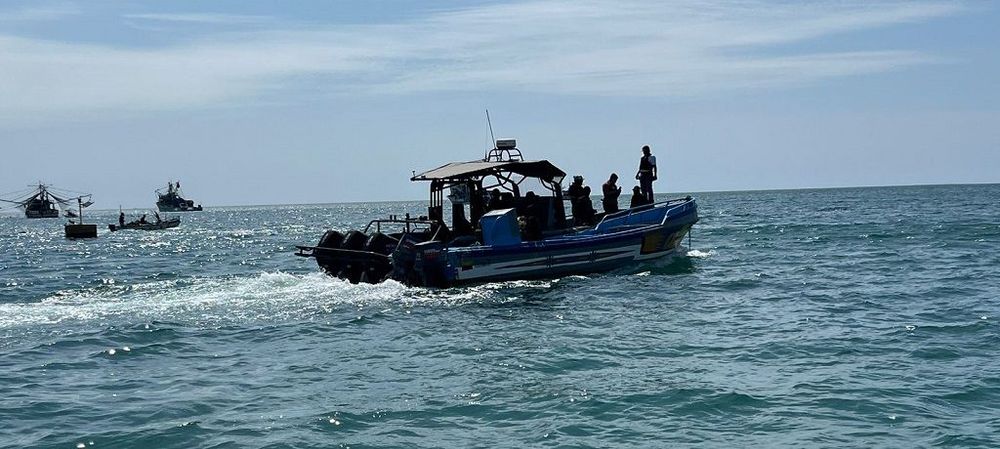
The Biodiversity and Natural Resources Commission of the National Assembly continued its analysis of reforms to the Comprehensive Organic Penal Code (COIP) and the Organic Law on Navigation, Security Management, and Maritime and Fluvial Protection. The initiative seeks to strengthen the prevention and sanction of crimes committed in the country's seas, rivers, estuaries, and other aquatic spaces. Andrés Arens Hidalgo, president of the Inter-American Tropical Tuna Commission (IATTC), participated in the session.
During the debate, the impact of thefts of boats, engines, and work equipment was addressed, as well as acts of violence affecting fishermen and workers in the sector. Among the proposals put forward are the strengthening of control mechanisms, the formalization of artisanal fishing, the improvement of maritime and fishing registries, and the definition of objective criteria for inspections and operations.
Likewise, participants agreed on the need to differentiate legal productive activities from criminal conduct, avoiding adverse effects on the artisanal fishing sector. The strengthening of the regulatory framework and the capabilities of the Maritime Police would contribute to improving maritime security, protecting productive actors, and strengthening the conditions for the development of fishing and logistical activities in national aquatic spaces.
Source: camara_ecuador