• 3 min de lectura
• 3 min de lectura
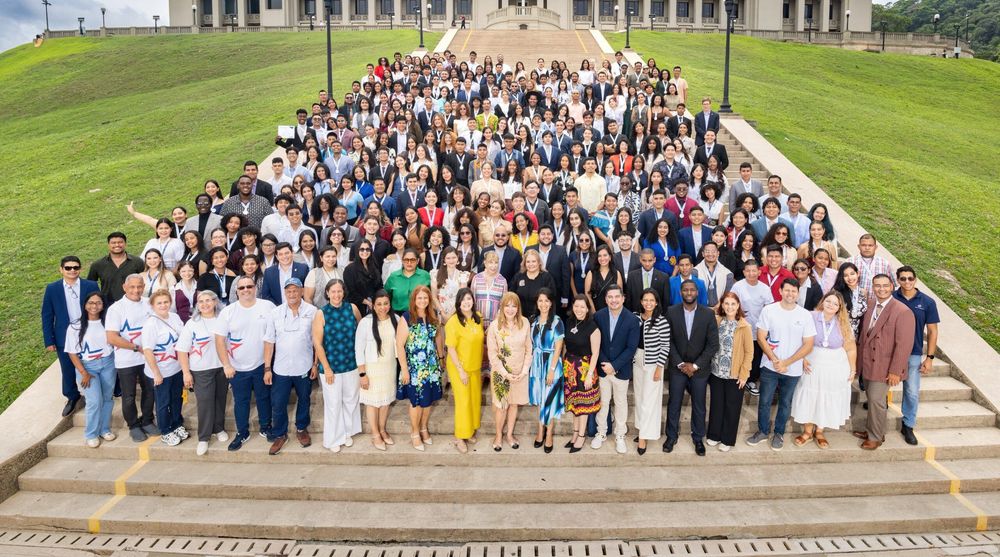
The commitment of Panamanian youth to sustainable development and social transformation continues to strengthen thanks to the Latin American Citizen Action Laboratory (LLAC), an initiative jointly developed by the Panama Canal and Jóvenes Unidos por la Educación (Youth United for Education), which for seven years has promoted leadership, social innovation, and citizen participation throughout the national territory.
During 2026, the program was executed in two complementary modalities. The first, LLAC 1.0, brought together 150 young people from all provinces and indigenous regions of the country, who participated in a training process aimed at developing leadership, innovation, and community project management skills.
Subsequently, LLAC 2.0 provided an advanced training experience to 146 young people whose projects demonstrated a high potential for social impact, allowing them to strengthen their capacities for the implementation, scalability, and sustainability of their initiatives.
As a result of both versions, 37 social transformation projects were presented, which are currently in the execution phase in different communities across the country. These initiatives address challenges related to education, community development, environmental sustainability, social inclusion, entrepreneurship, and strengthening the community fabric, generating opportunities to improve the quality of life for hundreds of Panamanians.
"On many occasions, the real impact of youth in far-reaching projects is questioned, but LLAC demonstrates that when talent, preparation, and opportunity meet, it is possible to transform dreams into concrete solutions that change people's lives. You are prepared minds that are now ready to generate the impact the country needs," highlighted engineer Ilya Espino de Marotta, Deputy Administrator of the Panama Canal and Sustainability Officer.
Since its creation, the Latin American Citizen Action Laboratory has graduated more than 1,500 young leaders from all over the country and has contributed to the implementation of more than 95 community projects, consolidating itself as one of the most important platforms for training agents of change in Panama.
One of the main attributes of the program is the ability of the projects to be scalable and replicable, allowing the solutions developed by the participants to be extended to other communities and contexts, thus guaranteeing their continuity and multiplying their social impact.
Through this strategic alliance, the Panama Canal and Jóvenes Unidos por la Educación reaffirm their commitment to strengthening youth leadership and building a more inclusive, participatory, and sustainable country, where new generations become protagonists of the transformations their communities demand.
"All young people who are part of LLAC have the talent and capacity to generate real changes; however, the impact of their initiatives will depend on essential values such as discipline, coherence, and reliability. Today you have the tools and opportunities, but now it is up to you to cross that threshold and transform what you have learned into sustainable actions that, in the coming years, continue to build the country," said Nivia Rossana Castrellón, founder and mentor of the program.
This effort has the support and collaboration of strategic allies that strengthen its scope and impact, including Fundación Sus Buenos Vecinos, Generadora Gatún, Banco Nacional de Panamá, Fundación Morgan, the United Nations Development Program (UNDP), Rotary Club of Panama, Greatness Center, FUDESPA, the Chamber of Social Development, Sumarse, the National Council of Private Enterprise (CNC), Komunika Latam, and FranklinCovey, who contribute to the comprehensive training of young people and the development of their initiatives for the benefit of their communities.
The Latin American Citizen Action Laboratory continues to demonstrate that when youth receive the right tools, the necessary support, and spaces to innovate, they are capable of generating concrete solutions that contribute to the social development of the country and the well-being of future generations.