• 2 min de lectura
• 2 min de lectura
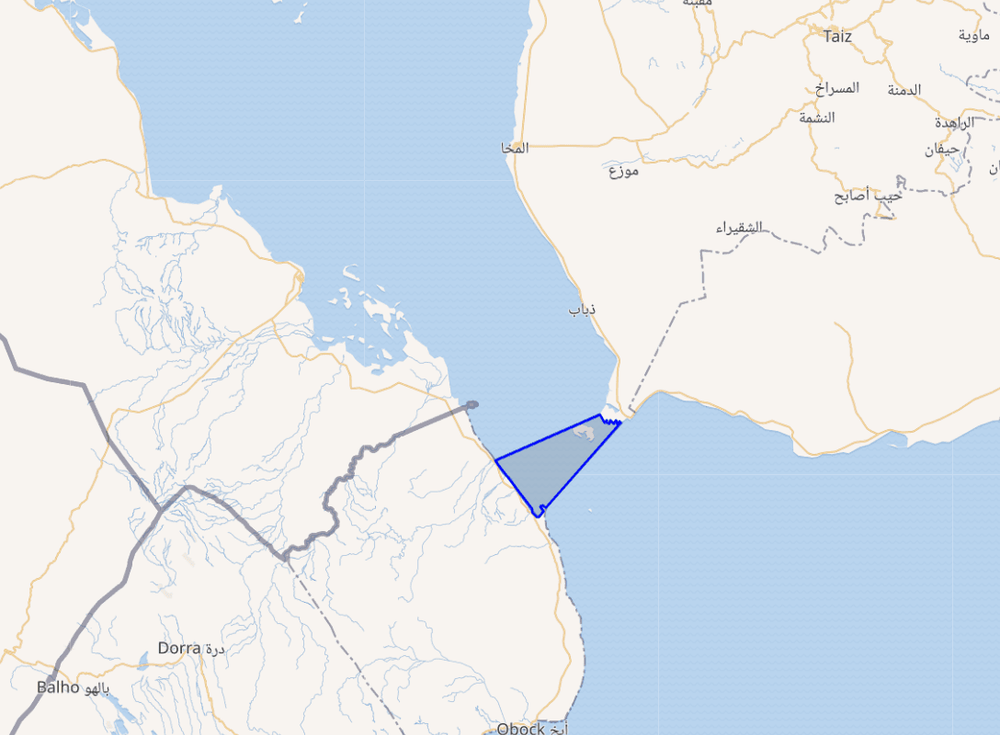
The number of ships crossing the Bab el-Mandeb Strait rose to 28 on Monday, July 27, the highest number in four days, while traffic through Ormuz remained low, according to data from maritime analytics firm Kpler.
This increase is reportedly driven by optimism regarding a possible resolution to the conflict between the United States and Iran. However, transit remained below the monthly high of 46 vessels reached on July 14.
US President Donald Trump recently stated that negotiations with Iran are progressing and could lead to an agreement, although he warned that military actions would resume if talks fail. For its part, Iran issued a similar warning regarding potential retaliations.
Of the 12 vessels that entered the Red Sea on Monday, July 27, four were oil tankers, according to data recorded at 05:12 GMT on Tuesday, July 28. These included one VLCC, two Suezmax vessels, and one Aframax.
VLCCs can carry approximately 2 million barrels of crude oil, while Suezmax vessels typically carry half that volume, and Aframax vessels have a capacity for about 700,000 barrels.
Meanwhile, the 16 vessels that exited the Red Sea on Monday, July 27, included 10 oil tankers. In detail, there were four Suezmax, three Aframax, two Medium Range (MR), and one VLCC, according to the figures.
Among them, the supertanker New Pearl – flagged in Hong Kong and loaded with 2 million barrels of Saudi crude – departed the Red Sea bound for the Port of Zhoushan, in eastern China, becoming the fourth Chinese VLCC to leave the area since the Houthis declared the naval blockade.
Traffic through the Strait of Hormuz remained low on Monday, July 27, with only six cargo ships carrying raw materials passing through, including an Iran-linked Suezmax tanker and a VLCC that entered with its transponder turned off, data shows. Of these vessels, four entered the strait and two exited it.
On Sunday, July 26, seven vessels crossed the strait, including three Iranian-linked product tankers that exited the waterway.