• 2 min de lectura
• 2 min de lectura
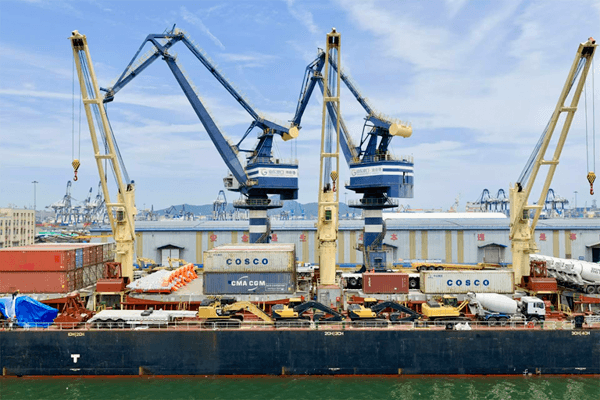
A vessel loaded with 21,000 metric tons of construction machinery departed from the Port of Yantai, operated by Shandong Port Group (SPG), bound for Djibouti, Africa. This officially marks the launch of the Yantai-Djibouti breakbulk cargo service, increasing the total number of international breakbulk services at the Port of Yantai to 36.
Located in the Horn of Africa and on the western coast of the Gulf of Aden, Djibouti controls access to the Bab el-Mandeb Strait, between the Red Sea and the Indian Ocean, and constitutes a strategic maritime point for trade between Asia, Africa, and Europe. Approximately one-third of global maritime trade transits through this area, with nearly 20,000 ships passing through annually.
As an important breakbulk logistics hub in northern China and the country's busiest port for trade with Africa, the Port of Yantai is consolidating its position as a key starting point in the China-Africa logistics corridor.
By integrating multimodal transport, maritime shipping, cargo consolidation and distribution, inspection and customs clearance, and overseas delivery, the port has created a comprehensive supply chain that connects domestic cargo networks, international maritime routes, and transit services through Djibouti. This has led to the official launch of the Yantai-Djibouti breakbulk cargo service, reducing total logistics costs by 30%.
As trade between China and Africa continues to grow, the Port of Yantai has developed bidirectional maritime routes that import bauxite from Africa and transport breakbulk cargo on the return journey.
This network now serves more than 20 African countries, including Guinea, Tanzania, and Nigeria. In the first half of the year, the number of breakbulk voyages destined for Africa increased by 66.1% year-on-year, reinforcing Yantai's role as a key maritime gateway for China-Africa trade.