• 3 min de lectura
• 3 min de lectura
By Marianna Parraga
HOUSTON, June 12 (Reuters) – U.S. refiners can still absorb more Venezuelan crude, Energy Secretary Chris Wright said on Friday, as the South American country's output bounces following the U.S. capture of President Nicolas Maduro in January and facilities on the Gulf Coast make adjustments to process higher volumes of heavy oil.
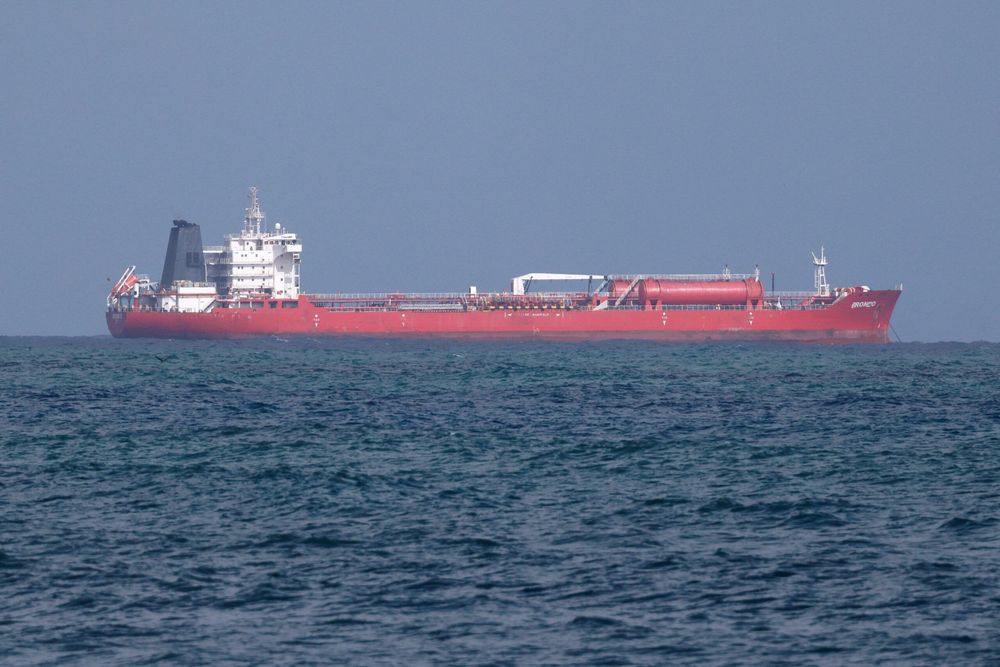
Venezuela is sending about half of its total exports of 1.25 million barrels a day to the U.S., with the remaining volumes going mainly to India and Europe, according to figures based on tanker monitoring. Wright said the exports are expected to increase in the coming months.
The country's oil ministry forecast crude output of 1.37 million bpd by year-end, which would imply a 22% increase from the 1.12 million bpd produced in late 2025.
"It takes time because you buy your crude mixes by month from slates. It's a blend from everywhere. So you don't just flip on a switch, but you'll see more and more Venezuelan crude demanded by U.S. refineries," Wright said at an event in Port Houston, Texas.
U.S. oil output also is expected to continue rising, with production of shale oil and gas growing modestly and stronger crude growth off the U.S. Gulf Coast and in Alaska, according to Wright.
U.S. crude production increased 3% last year, setting a new annual record of 13.6 million bpd. The country has become the world's largest exporter of oil and fuel, sending out 10.5 million bpd.
Earlier in the day, Wright said 7 million bpd of oil were getting out of the Persian Gulf with U.S. military help. Flows through the Strait of Hormuz have been largely choked off since the U.S.-Israeli war on Iran began in late February.
Asked about those comments, Wright said Iran is not currently exporting any oil or products and that the U.S. is stepping up to fill the oil export void amid the Middle East conflict.
The International Energy Agency had estimated that Gulf supply was down by 14 million bpd, around 14% of world supply. But the figure could be closer to 5 million to 6 million bpd as producers find ways to keep cargoes moving.
Some 136 million barrels of non-Iranian crude moved through the Strait of Hormuz and the Gulf of Oman between early April and June 10, or about 1.9 million bpd, shipping data firm Kpler estimates.
"We have had days where we've exported well above the number I gave," Wright said when asked about the 7 million bpd passing through. "If you look at our trend right now, we'll be past replacing more than half of the lost oil."
Flows passing through Hormuz are coming from all oil exporters in the Arabian Gulf except Iran, Wright said.
Asked about gasoline prices in the U.S., which have climbed since the start of the Middle East conflict, Wright said President Donald Trump has been a champion of low energy prices.
"He has not changed that desire for low energy prices across the board, but he was simply unwilling to kick a 47-year conflict and a nuclear-armed Iran down to the next administration," Wright said, adding that allowing Iran to obtain nuclear weapons would lead to "massively higher" energy prices in future.
(Reporting by Marianna Parraga in Houston; Editing by Nathan Crooks and Nia Williams)
(c) Copyright Thomson Reuters 2026.
This article contains reporting from Reuters, published under license.
Fuente: GCAPTAIN_NEWS