• 3 min de lectura
• 3 min de lectura
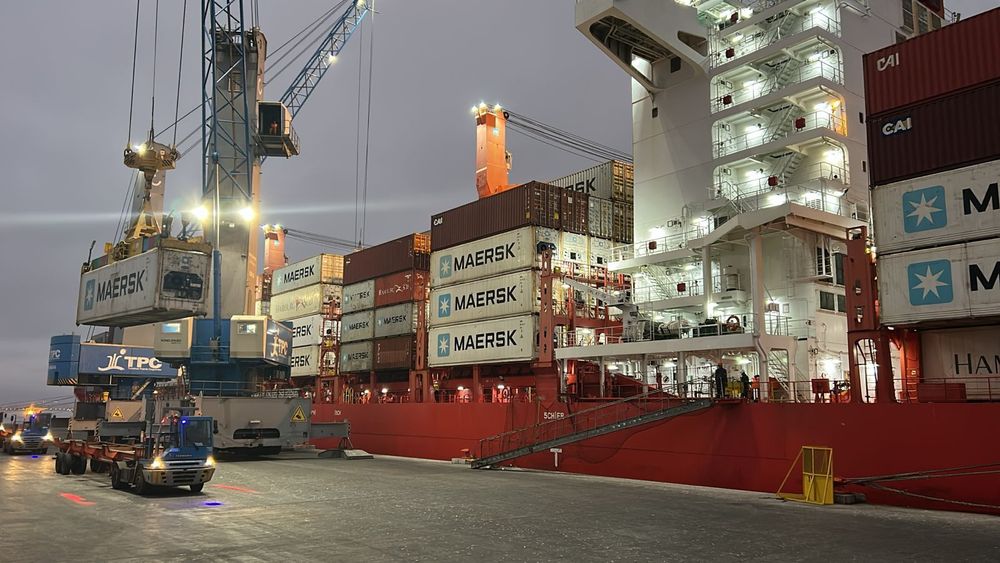
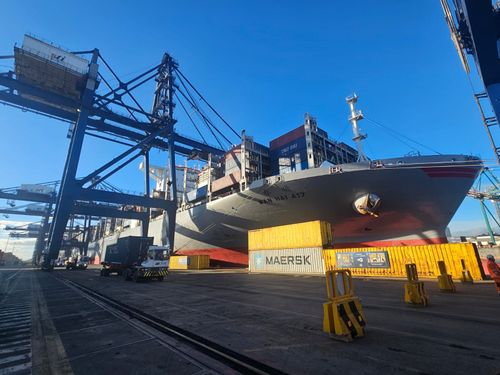
Terminal Puerto Coquimbo (TPC) seeks to consolidate the export of seafood products throughout the year. To achieve this, a working group was formed with the Coquimbo Port Logistics Community (CLPC) and representatives from the fishing and aquaculture sectors. This group aims to connect this cargo with existing maritime services and promote the arrival of new regular shipping lines that leverage the regional potential to reach international markets.
"To fishing and aquaculture exporters, TPC and the CLPC presented the infrastructure, operational capacity, and services available at the terminal, in addition to identifying their logistical gaps and needs," communicated the concessionaire of the Coquimbo port facility.
"The meeting allowed for the establishment of a working group aimed at identifying and developing opportunities to connect this cargo with current liner services, as well as promoting new calls by regular services, taking advantage of the potential of the Coquimbo Region's export offering," it added.
In line with the information provided, the instance also "addressed opportunities to reduce logistical times and costs, strengthening the efficiency of the export chain for fishing and aquaculture products and contributing to the economic development and competitiveness of the Coquimbo Region," TPC detailed.
For his part, Cristian Zamorano, general manager of Pesquera Villa Alegre (PVA) Chile, stated that "for us, encouraging the export of our products from Coquimbo is fundamental, because we are a regional company, we generate employment, and we work closely with artisanal fishing. We were the first to export jumbo squid and jack mackerel through TPC and we will continue to strive so that, in the future, all of our containers can depart from the region."
In turn, Cristian Muñoz, researcher at the Universidad Católica del Norte (UCN) and coordinator of the Corfo-Codesser project on smart markets for jack mackerel, affirmed that "we participated in this meeting because we are looking for an efficient logistical proposal for the international commercialization of jack mackerel. The Port of Coquimbo represents a very relevant alternative for that objective."
Meanwhile, Benita Monárdez, general manager of the CLPC, noted that "we are working directly with exporters to understand their gaps and needs, with the purpose of consolidating regular maritime services throughout the year, which represents a great opportunity for local exporters and for the economic development of the region."
Likewise, Macarena Lemus, commercial sub-manager of TPC, indicated that "our commitment is to be a strategic ally for exporters in the Coquimbo Region, providing efficient, competitive, and close logistical solutions. We have the infrastructure, operational capacity, and experience to handle the export of seafood products throughout the year, facilitating the access of regional companies to international markets."
Through these types of initiatives, TPC continues its intention to strengthen its contribution to the productive development of the Coquimbo Region, promoting logistical alternatives that add value to local production chains and improve the competitiveness of regional companies in international markets.
Finally, it is worth mentioning that the Fishing and Aquaculture sector of the Coquimbo Region exported USD 140 million in 2025, a 17.3% increase from the previous year. Within this sector, jumbo squid led shipments with USD 84 million, a 51.8% rise, with Spain, China, and South Korea as the main destinations, according to figures from ProChile Coquimbo.