• 2 min de lectura
• 2 min de lectura
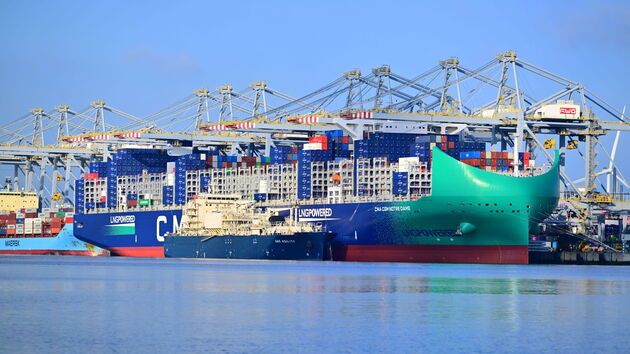
Ship fuel sales at the Port of Rotterdam were approximately 25% lower in the first half of 2026 compared to the same period last year.
The most pronounced decline occurred in fossil fuel oil (-28.3%), and volumes of very low sulfur fuel oil (VLSFO, -46%), high sulfur fuel oil (HSFO, -24%), and ultra-low sulfur fuel oil (ULSFO, -31%) decreased particularly drastically.
Conversely, sales of alternative fuels increased by 28%. Demand for bio-LNG, in particular, experienced strong growth, while the first supply of bioethanol also took place at the Port of Rotterdam during the second quarter.
While Rotterdam remains one of the largest bunkering ports in the world, a shift in fuel volumes to other ports has been observed in recent months. As in the first quarter, the volumes of fuel supplied in the second quarter of 2026 were significantly lower than in the same period of the previous year.
An important explanation for this is the implementation of the European RED III Directive in the Netherlands. As a result, fuel suppliers must comply with additional sustainability obligations, which increases the cost of conventional ship fuels compared to other ports in the region.
Furthermore, ship fuel volumes have shifted to ports outside the ARA (Amsterdam-Rotterdam-Antwerp-Bruges) area due to operational changes in regulations and policies. Fluctuations in fuel prices, uncertainty in the energy market, and evolving global trade routes have also affected the location and volumes of fuel purchases.