• 2 min de lectura
• 2 min de lectura
29 July 2026
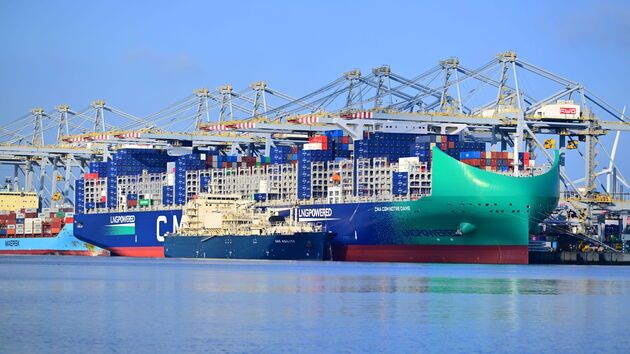
Bunker sales in the port of Rotterdam decreased by 25% in the first half of 2026 compared to the same period a year earlier. The sharpest decline was in fossil fuel oil (-28.3%). Volumes of Very Low Sulphur Fuel Oil (VLSFO, -46%), High Sulphur Fuel Oil (HSFO, -24%) and Ultra Low Sulphur Fuel Oil (ULSFO, -31%) fell particularly steeply. On the other hand, sales of alternative fuels rose by 28%. In particular, demand for bio-LNG grew strongly. In the second quarter, the first bunkering of bio-ethanol took place in the port of Rotterdam. It's an important step, which demonstrates the potential of alternative fuels to aid in the reduction of CO2 emissions in shipping.
Although Rotterdam is still one of the most significant bunker ports in the world, in recent months, there has been a visible shift of bunker volumes to other ports. As in the first quarter, in the second quarter of 2026, the bunkered volumes were significantly lower than in the same period last year.
A major reason for this is the implementation of the European RED III Directive in the Netherlands. Fuel suppliers must now meet additional sustainability obligations, which is driving up the cost of conventional bunker fuels compared to competing ports in the region. In addition, bunker volumes have shifted to ports outside of the ARA region (Amsterdam-Rotterdam-Antwerp-Bruges) as a result of operational changes to regulations and policy. Fluctuations in bunker prices, uncertainty within the energy market and developments in global trade routes have had an influence on the choice of bunker locations and purchasing volumes.
Fuente: Port of rotterdam