• 3 min de lectura
• 3 min de lectura
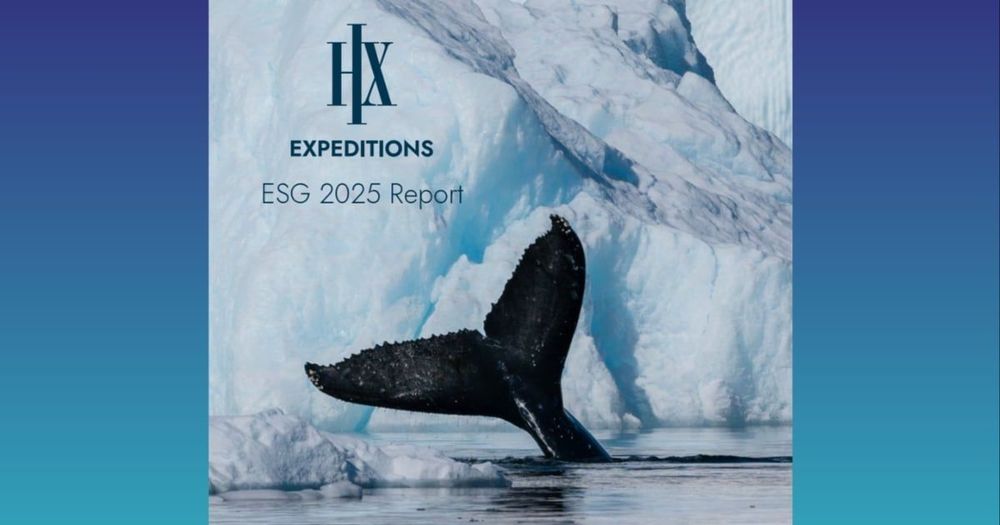
HX published its 2025 ESG Report featuring European Sustainability Reporting Standards compliance and a new sustainability strategy with measurable targets through 2030.
June 9, 2026
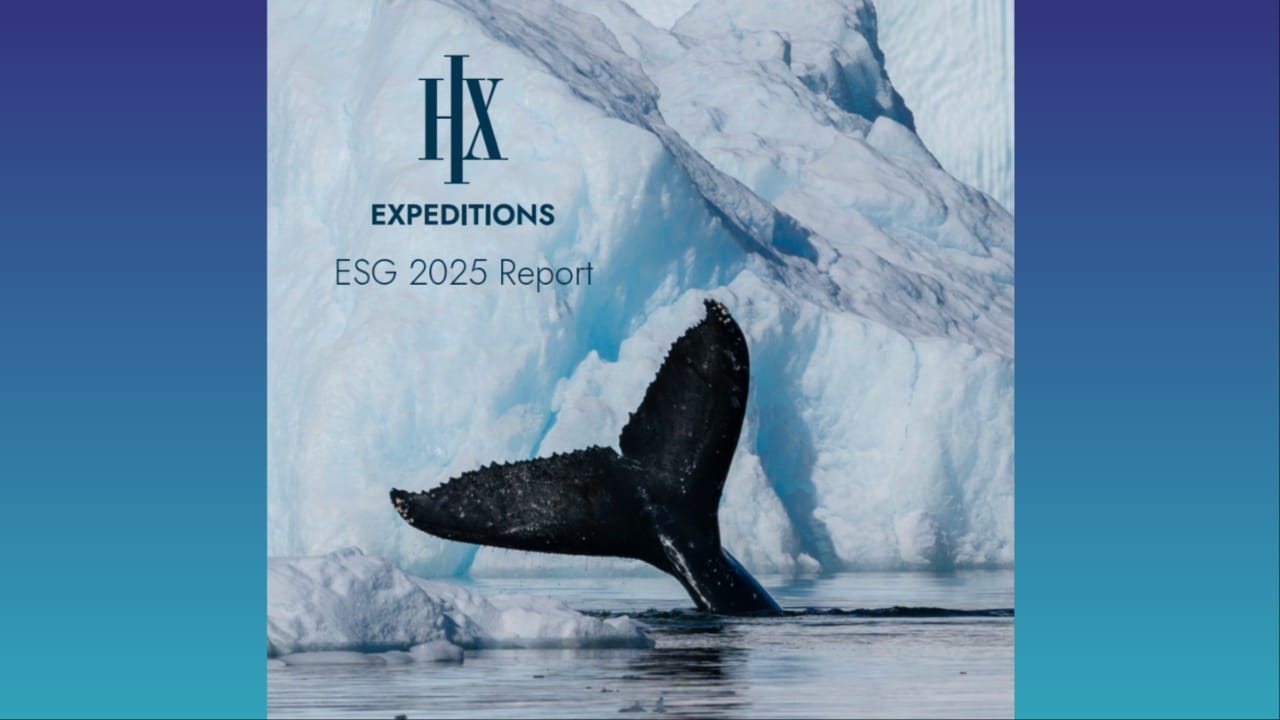
Passenger participation in citizen science projects increased by 52% PHOTO: HX
HX published its 2025 ESG Report on June 8 – its first report informed by European Sustainability Reporting Standards. The report includes a new long-term sustainability strategy with SMART targets extending to 2030.
HX Expeditions achieved a 12% reduction in direct CO₂ emissions to 64,630 metric tons, alongside significant cuts in sulphur oxide emissions (50%) and nitrogen oxide emissions (14%).
The expedition operator introduced a fully electric "silent science boat" operating from the hybrid electric-powered MS Fridtjof Nansen. The vessel supports research teams and guest scientists in Arctic and Antarctic waters, enabling quieter engagement with marine ecosystems without disturbing wildlife behaviour.
HX also expanded "slow cruising" itineraries to reduce fuel consumption and recorded its first use of alternative fuel in fleet operations since becoming a standalone company.
The operator provided 1,652 free cabin nights to scientists, valued at over €1.4 million. Chief scientist Dr Verena Meraldi announced plans to increase scientist cabin nights by 30% from 2027, reaching 3,900 cabin nights annually.
Passenger participation in citizen science projects increased by 52%, with 46,466 observations submitted to programmes including eBird and Happywhale. HX hosted 97 onboard scientists and expert lecturers across its sailings.
During the 2025/26 Antarctic season, Dr Manuel Novillo recorded the first documented observation of rare Antarctic blackfin icefish spawning behaviour near Danco Island using underwater drones.
HX aligned its reporting with the Corporate Sustainability Reporting Directive (CSRD) double materiality assessment. The line introduced a dedicated sustainability strategy with measurable goals and improved transparency across sustainability disclosures.
Through its partnership with Ocean Bottle, HX removed 1,200 tonnes of ocean plastic from waterways. The company deployed SOOP ocean monitoring technology to collect data on water quality, CO2, microplastics and biodiversity.
Food waste per guest night decreased by 7%, while externally sourced water usage fell by 64%. The line recorded zero environmental spills across all operations in 2025.
HX Foundation distributed €226,370 to 28 global projects, while passengers contributed €215,195. Women in senior leadership positions increased to 45% of roles.
Local sourcing reached 27% across 44 suppliers. The HX Rapid Response Fund provided emergency support to crew affected by typhoons in the Philippines.
In Antarctica, dedicated science cabins operated on every voyage, supporting research on whales, penguins and marine ecosystems. The UTAS guest education programmes reached over 2,100 travellers.
Northwest Passage operations generated over €337,000 in direct economic impact for local communities through visits and locally designed experiences.
In Svalbard, the company collaborated on research to reduce underwater noise in Arctic fjords and supported the Svalbard Dog Rescue charity.
Alaska programmes included support for environmental monitoring and community-led tourism initiatives, with the HX Foundation providing grants to Sitka Trail Works for Tongass National Forest trail maintenance.
Greenland operations featured locally designed excursions and partnerships with Greenlandic chefs.
Fuente: sea-trade cruise