• 2 min de lectura
• 2 min de lectura
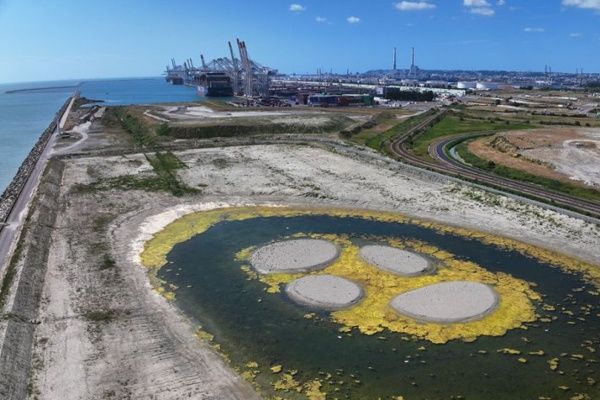
As part of the environmental measures related to the work on the lock, Haropa Port transformed part of the sediment deposit compartment used during the various phases of the creation of Port 2000 into a 10.8-hectare wetland favorable for biodiversity.
This area now hosts a two-hectare pond, allowing for the recreation of essential ecological functions and strengthening the natural continuities of the territory.
Supervised by a renowned design firm, the site already shows the first encouraging signs with the establishment of several bird species, including ducks, such as the famous common shelduck; avocets; the natterjack toad; and common gulls. The presence of this latter species, which is rare for breeding at a national level, is a positive sign regarding the attractiveness of the newly created habitats.
This operation is part of the ERC (Avoid, Reduce, Compensate) approach to improve river access to Port 2000 and complements other environmental actions carried out on the site.
The land chosen for the compensatory measure is located in part of the sediment deposit area situated to the east of Port 2000, which was used during the various phases of the construction of said port. The materials, temporarily stored on site, were reused, among other things, to build the lock's breakwater.
This reuse approach has made it possible to limit the transport of materials, while giving a second life to a space that was already artificial.
The creation of this wetland is part of a broader set of prevention, reduction, compensation, and support measures implemented within the project. Actions already underway include underwater noise monitoring, for which buoys equipped with hydrophones were deployed to monitor the noise generated by the works and limit disturbances that may affect marine mammals.
The preservation of sea kale is also included, and for this purpose, seeds were collected and plants were moved from the areas affected by the works in order to promote the conservation of this characteristic coastal species.
At the same time, a greater understanding of common seals is proposed, as the studies carried out also allow for a better understanding of the movements and use of the estuary by these marine mammals.