• 2 min de lectura
• 2 min de lectura
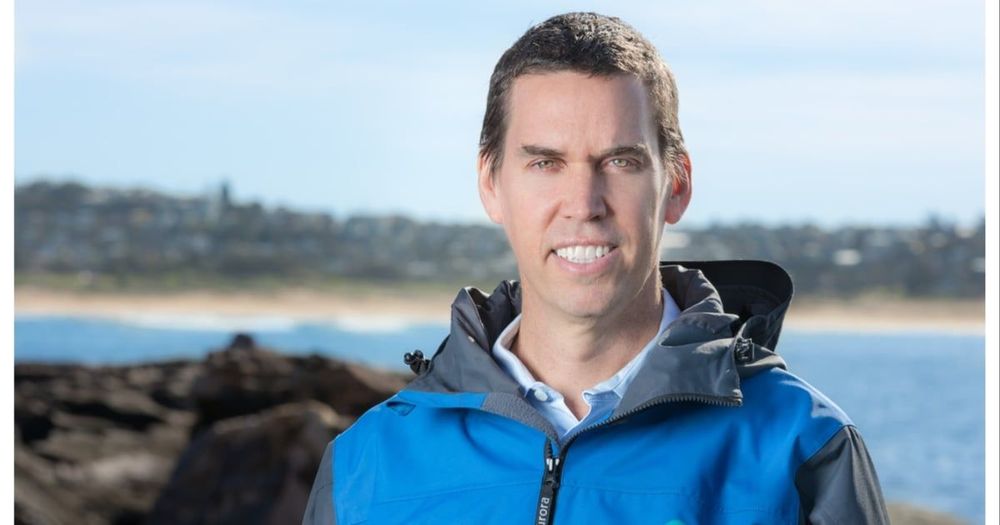
Interpreting wildlife encounters and deeper context about the environment are key to the experience.
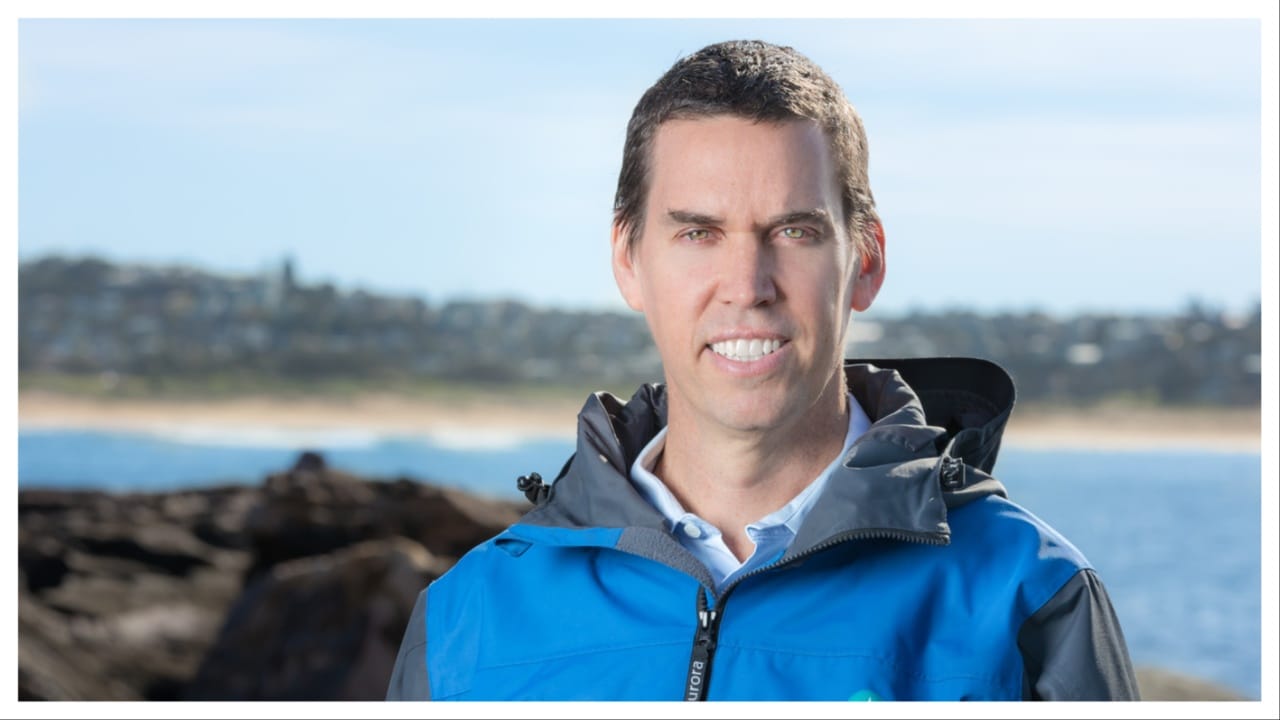
Global Head of Product Justin Ewin said it is not a matter of where you go, but how you experience the trip PHOTO: AURORA EXPEDITIONS
Aurora Expeditions surveyed more than 700 expedition travellers across its global network, with over 95% of respondents ranking the expertise of the expedition teams over the destination as the most important factor when deciding on a voyage.
Itinerary came a close second (94.2%), followed by small ship size (93.3%) and landing opportunities (92.9%).
The findings come as the expedition cruise sector is in a period of rapid expansion.
According to Cruise Lines International Association, global capacity for expedition and exploration ships is forecast to grow by 150% between 2019 and 2029.
The number of Australians embarking on expedition voyages rose 22% year-on-year from 9,000 in 2024 to 11,000 in 2025.
"It is no longer just about where you go, but how you experience it," Aurora's Global Head of Product Justin Ewin said.
"The expertise of the expedition team plays a critical role in shaping that experience, from interpreting wildlife encounters to providing deeper context around the environments we visit,' Ewin said.
During its most recent Antarctic season, Aurora Expeditions delivered more than 800 landings across over 30 voyages, supported by a guide-to-guest ratio of 1.7, enabling a higher volume of small-group, expert-led experiences than possible on larger vessels.
The survey debunks the idea that expedition travel is a once-in-a-lifetime event, as approximately 20% of Aurora's passengers are repeat guests.
There is also a significant increase in the number of independent travellers and to meet this demand Aurora has dedicated solo cabins in its newest vessel, Douglas Mawson.
Fuente: sea-trade cruise