• 2 min de lectura
• 2 min de lectura
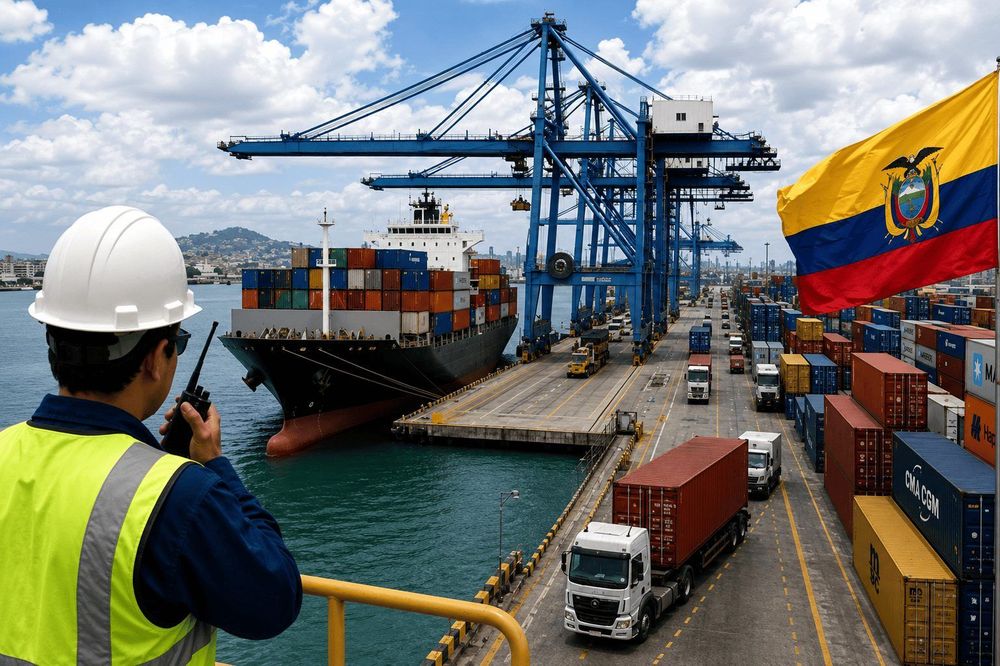
The main ports of Guayaquil recorded sustained growth in cargo movement during the first quarter of 2026, reflecting the dynamism of Ecuadorian foreign trade. According to figures from Dual Logistic, the country's terminals moved 824,444 TEUs between January and March, a 14% increase compared to the same period last year. This performance occurs in an international context marked by geopolitical challenges and variations in logistics costs, maintaining the strength of Ecuadorian exports and imports.
In the containerized cargo ranking, DP World Posorja led the activity with 216,731 TEUs and a market share of 26%, followed by Contecon Guayaquil with 202,344 TEUs and Terminal Portuario de Guayaquil (TPG) with 194,335 TEUs. Growth has been driven by the increase in non-oil exports, particularly products such as bananas, shrimp, and wood, as well as greater demand for imports. Furthermore, the consolidation of new maritime routes and the connection with the port of Chancay have strengthened Ecuador's logistical integration with Asian markets.
The increase in mobilized volumes is accompanied by significant investments in port infrastructure aimed at expanding operational capacity and improving the competitiveness of the national maritime system. Projects such as the expansion of the Posorja dock, the deepening of the access channel to the ports of Guayaquil, and the investments planned by private terminals will allow larger vessels to be received and logistical efficiency to be optimized. These actions strengthen Ecuador's strategic position within global supply chains and contribute to the development of regional and international maritime trade.
Source: Expreso