• 3 min de lectura
• 3 min de lectura
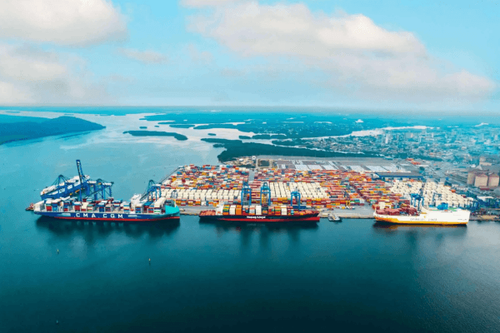
TCP, the company that manages the Paranaguá Container Terminal, gathered representatives from over 30 companies and terminals in the port support area, along with the Brazilian Institute of Beans and Pulses (IBRAFE) and the Paranaguá City Council, on Tuesday afternoon (11), to discuss opportunities and future prospects for port operations in the municipality. The meeting focused on strengthening the raw material export chain, with special attention to beans, and preparing the infrastructure of the support area to cope with the anticipated growth in international demand.
Paranaguá is gaining importance in the exports of beans, sesame, and other agricultural products, a segment where TCP plays a prominent role in handling these cargoes. In 2025, the Paranaguá Container Terminal shipped approximately 387,000 tons of beans, representing about 74% of the total volume exported by the country.
During the meeting, participants discussed the potential for expansion of these markets and the importance of having warehouses and terminals prepared to meet the needs of exporters, especially given the prospects for growth in sales to markets such as China and Europe.
"Paranaguá holds a strategic position for the growth of bean and other commodity exports. Our intention with this meeting is to bring together the different agents in the chain, understand the challenges, and, above all, create the necessary conditions for the hinterland to adapt to this trend. We have a very positive outlook for the coming years, and infrastructure preparation and integration among the various actors will be fundamental to leverage this potential," said Fabio Mattos, Commercial Director of TCP.
In addition to market prospects, the meeting addressed the need to expand integration among terminals, operators, public authorities, and other agents in the port community. The initiative seeks to foster the harmonization of strategies and investments that contribute to increasing the efficiency and capacity of operations in Paranaguá.
For Eduardo Balestreri, director of IBRAFE and operations director of Arbaza, the integration between terminals and the exchange of information are fundamental to leverage the potential for growth in Brazilian exports. "The event exceeded expectations, bringing together a large part of the city's terminals to share market analyses. Paranaguá concentrates a large volume of bean and sesame exports, driven by the high quality of the port, excellent hinterland infrastructure, and specialized labor. Currently, Brazilian exports of these products represent only 5% of what is imported globally. We have immense growth potential, and all our infrastructure must be prepared to meet this demand," commented Balestreri.
Luiz Augusto Pellegrini de Carvalho, Municipal Secretary of Industrial and Port Expansion (Semexport), also highlighted the importance of collaboration among the different agents of the port community. "We must seek joint solutions among terminals to increase Paranaguá's productivity. Semexport's role is to expand the industrial area, attracting new companies, and coordinate actions with regulatory bodies, working in collaboration with the port community to strengthen our exports."