• 3 min de lectura
• 3 min de lectura
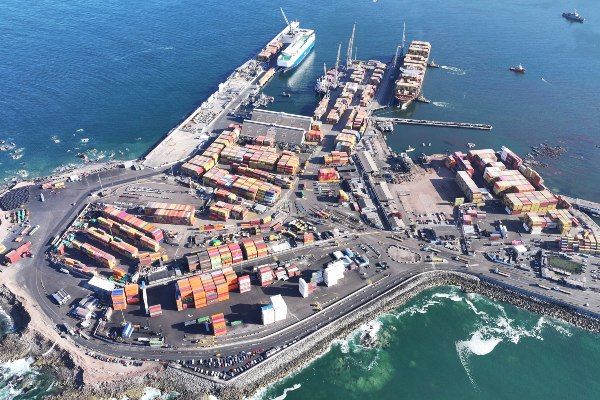
The Port of Iquique closed April 2026 with favorable results in its main cargo transfer indicators, consolidating a positive trend that extends throughout the first four months of the year. This is particularly relevant considering that the figures are compared to the 2025 fiscal year, a period of the highest cargo movement in the history of the port facility, and the social situation in Bolivia, the terminal's main client.
Regarding total tonnage transferred, April 2026 registered 248,684 tons, representing a 4% growth compared to the 238,985 tons mobilized in the same month of 2025.
The dynamism was even more pronounced in the container segment, where mobilized TEUs reached 38,522 units, an increase of 19% compared to 32,493 in the previous year.
Meanwhile, in the fourth month of 2026 compared to April 2025, containerized cargo grew by 7%, rising from 208,781 to 223,670 tons. Likewise, automotive cargo movement showed an increase of 36%, while exports and imports recorded advances of 6% and 17%, respectively.
Rubén Castro Hurtado, general manager of Empresa Portuaria Iquique (EPI), stated that "despite the severe difficulties faced by Bolivia, our main client, the Port of Iquique continues to maintain a positive performance, even when compared to the year in which we achieved the historical record for cargo transfer. This speaks to the effort and commitment of all stakeholders involved in our region's port logistics activity."
In the accumulated January-April 2026 period, the performance is equally auspicious. The total tonnage transferred reached 1,124,017 tons, surpassing the 1,102,312 tons of the same period in 2025 by 2%. Ship calls grew by 4%, with 121 vessels attended compared to 116 in the previous year, while managed TEUs increased by 6%, reaching 147,759 units versus 139,017.
Automotive cargo accumulated a growth of 40% and breakbulk cargo, 65%. As for containerized cargo, although it showed a 7% increase in April, it registered a 5% contraction in the accumulated period, an indicator that the port monitors closely within its operational management.
In terms of foreign trade, exports recorded an increase of 28% and imports, 2%, while cargo mobilized from markets other than Bolivia increased by 148%, demonstrating progress in the diversification of the port's clients and routes.
The indicator showing a contraction is cargo linked to the Bolivian market, the main client of the Port of Iquique, which registered a 13% drop in April and a 17% drop in the accumulated period, reflecting the difficulties that country is experiencing and which directly impact its foreign trade.
Source: portalportuario