• 3 min de lectura
• 3 min de lectura
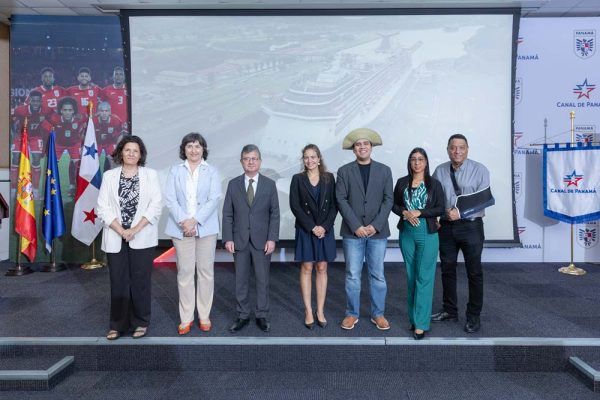
The Panama Canal reiterated its commitment to sustainability and the protection of the Hydrographic Basin during the launch of the "Nature-Based Solutions in the Panama Canal Basin" project, an initiative promoted by the European Union's Euroclima program, in conjunction with the Ministry of Environment and the canal administration, to promote adaptation actions and reduce vulnerability to climate change.
During the event, the main components of the "Adaptation and reduction of vulnerability to climate change in the Panama Canal Hydrographic Basin" initiative were presented, focused on addressing challenges related to water security, climate vulnerability, and soil degradation.
The activity brought together representatives from international cooperation organizations, national authorities, community leaders, and technical teams linked to the project, as well as residents from the communities of Teriá and Cirí de los Sotos, who expressed their interest and enthusiasm to be part of the initiatives aimed at the environmental and sustainable strengthening of their territories.
Izabela Matusz, Ambassador of the European Union in Panama, highlighted that "the Panama Canal has become a strategic partner for initiatives related to maritime decarbonization, the creation of green corridors, the electrification of ports, and the comprehensive and participatory management of the hydrographic basin," she noted.
Participants emphasized the value of the basin in the face of climate change challenges, highlighting the need to promote actions that protect water resources and strengthen community stability. The basin plays an essential role for the country, as it provides water to 58% of the Panamanian population and, at the same time, sustains the operations of one of the main international maritime trade routes.
Raúl Martínez, the Canal's Environmental Sustainability Manager, commented that a main priority of the project has been to maintain a close relationship with communities to understand their needs and develop sustainable solutions in a participatory manner.
"In this project, our role has focused on going to the communities to recognize their true needs. Through the programs and the participatory process, the Canal continues to seek to strengthen relationships between communities and the territory, promoting sustainable models that contribute to both local well-being and the protection of the basin's strategic ecosystems," said Martínez.
As part of the contemplated actions, the project promotes the strengthening of local capacities, the implementation of community pilot projects, and the promotion of nature-based solutions, as well as initiatives aimed at sustainable energy transformation, through management directed at strengthening administration, regulation, and planning.
The initiative is part of the actions promoted by Euroclima under the European Union's Global Gateway strategy and reflects the joint work between national institutions, international organizations, and communities to strengthen climate resilience and the sustainability of the Panama Canal basin.