• 2 min de lectura
• 2 min de lectura
By Weilun Soon, Julian Lee, Grant Smith and Prejula Prem
Jun 19, 2026 (Bloomberg) –Iranian crude oil flows appeared to surge following the lifting of a months-long US naval blockade on the Islamic Republic's ports, even as visible traffic from its neighbors thinned.
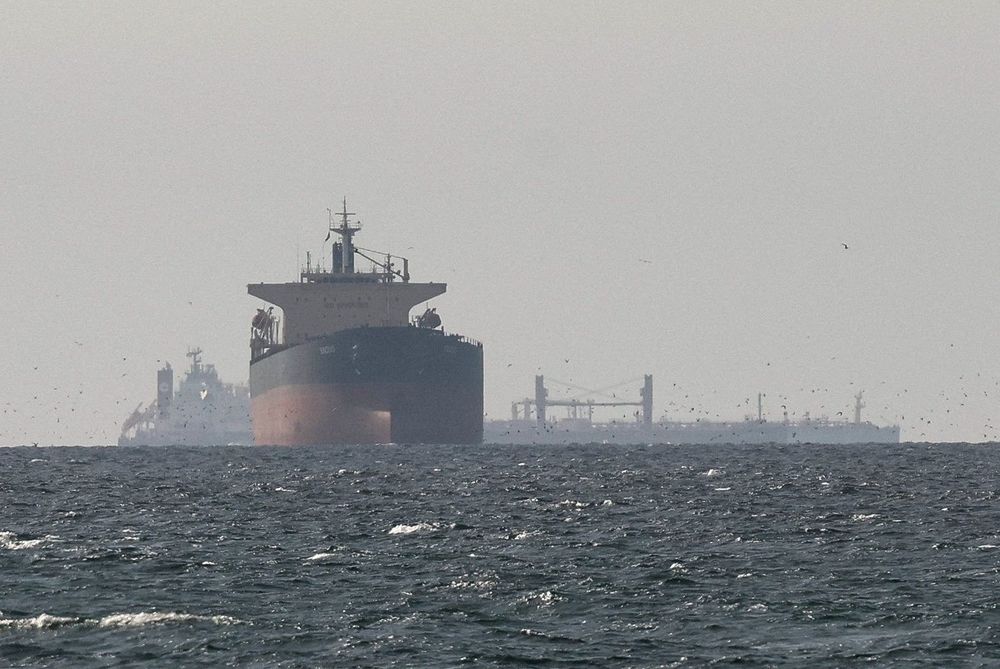
Seven supertankers with the capacity to carry around 14 million barrels of crude were detected leaving the Iranian port of Chabahar on the Gulf of Oman on Friday, according to shipping data compiled by Bloomberg. That's compares with four vessels observed over the previous two days.
This week's memorandum of understanding between Washington and Tehran to end their dual blockade is set to ease the biggest oil supply disruption in history. That could put further downward pressure on prices, which have dropped roughly 37% from the four-year high reached in April.
Two Iranian officials said earlier this week they anticipated a swift rebound in flows as the country's output was only briefly reduced during the conflict. Iran-linked ships had been observed shifting position in advance of the agreement.
No tankers from other nations were seen moving outbound from the Persian Gulf on Friday morning, compared with vessels carrying nearly 10 million barrels of oil that either appeared outside or sailing through the Strait of Hormuz on Thursday. The fully laden supertanker Tenzan, which reappeared in the Gulf of Oman, crossed Hormuz overnight.
At least four supertankers entered the Gulf in the past 24 hours, signaling potential support for Iranian oil exports.
The US and Iran have postponed the start of their negotiations over a permanent peace deal, which were meant to be held in Switzerland on Friday. It's unclear whether the delay, which followed clashes overnight between Israel and Iran-backed Hezbollah militants in southern Lebanon, will impact transit through Hormuz and the Gulf of Oman.
Fuente: GCAPTAIN_NEWS