• 2 min de lectura
• 2 min de lectura
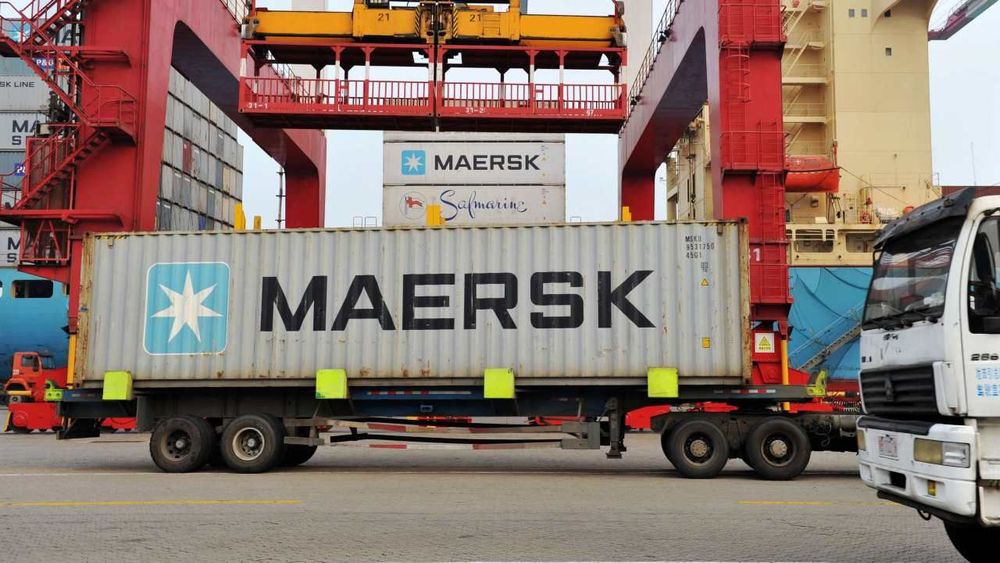
The shipping company Maersk indicates that constant global difficulties are forcing distribution chains in Latin America to seek a balance between cost control and response speed. The firm's regional president, Antonio Domínguez, explains that to overcome the problems of the current environment, it is no longer enough to move boxes from one point to another. The operator warns that the real current challenge is to design flexible routes that adapt quickly to unforeseen events.
The firm's analysis highlights that the key to protecting the movement of goods is to have total visibility from origin to final destination. The use of real-time data and technological tools allows anticipating delays and making quick decisions before they affect deliveries in ports. The shipping company emphasizes that it works hand in hand with its clients to understand their needs and offer them integrated logistics solutions.
The future of regional trade demands leaving behind rigid transport plans and preparing to face instability as a normal market condition. Keeping businesses running on the continent will depend on the ability to combine sea transport with strategic warehouses and trucks on land. In the long term, connecting all these services simply will be the indispensable strategy for companies to remain competitive in the world.
Source: Mundo Marítimo