• 2 min de lectura
• 2 min de lectura
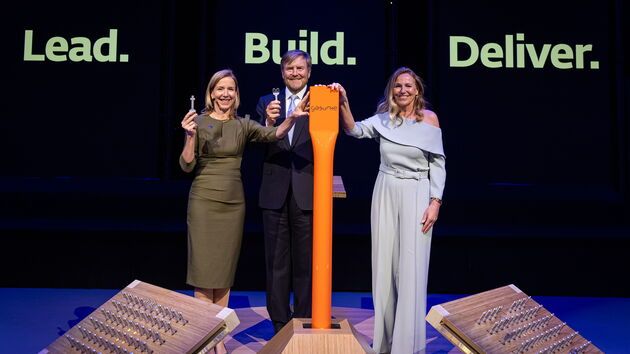
King Willem-Alexander symbolically activated the first section of the national hydrogen network in the Port of Rotterdam, which consists of a 32-kilometer pipeline between Maasvlakte and Pernis.
The construction of the national hydrogen network began in October 2023. With the completion of this first section, hydrogen can be transported from production plants in Maasvlakte to industry. In the coming years, the network will be expanded to the main industrial regions of the Netherlands and connected to networks and storage facilities in Germany and Belgium.
The completion of the first phase in Rotterdam represents an important step towards a more sustainable industry, without losing competitiveness. Thanks to the Port of Rotterdam, which has become a European energy hub, and the strategic connection of the Rhine-Delta Corridor, hydrogen and CO2 can be transported between the Netherlands and Germany. This infrastructure therefore constitutes a fundamental pillar for an integrated European energy system.
In this system, hydrogen, CO2, natural gas, heat, and wind energy strengthen the strategic autonomy and economic revenue-generating capacity of the Netherlands and Northwest Europe.
The national hydrogen network, which will eventually span approximately 1,200 kilometers, largely utilizes existing pipelines. Therefore, it is a fundamental requirement for the development of an efficient hydrogen market and for achieving a more sustainable industry. The first hydrogen plant is already connected to the network. More production and import plants, as well as industrial customers, are expected to be connected to the Rotterdam network in the coming years.
Source: portalportuario