• 3 min de lectura
• 3 min de lectura
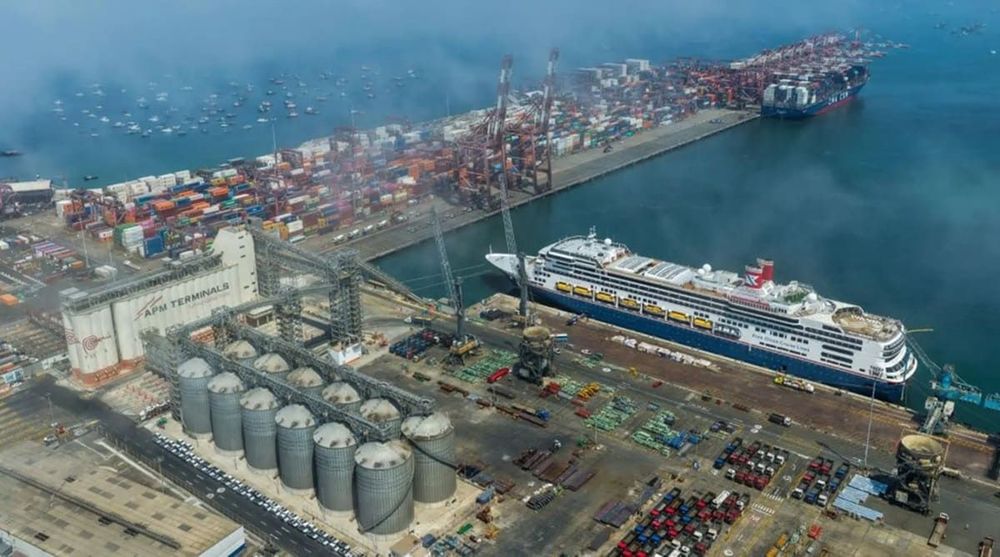
More than 85% of Peruvian international trade is transported by sea.
The growth of Peruvian foreign trade and the modernization of port operations are increasing the demand for specialized technical personnel in the maritime sector. Between 2019 and 2024 alone, exports rose from 63 billion to over 74 billion dollars, driven mainly by mining and agro-exports.
Currently, Peru has 59 ports—17 public and 42 private—and more than 85% of international trade is transported by sea. Furthermore, accumulated port investments exceed 11 billion dollars, aimed at terminal expansion, dredging, automation, logistics integration, and other areas.
In this context, Ernesto Sarmiento, operations manager at Sarmiento Consultores, warned that the sector's main challenge is no longer solely infrastructure, but the availability of trained personnel to operate increasingly specialized systems.
"Peru invests millions in port infrastructure, but there is still a significant gap in specialized technical training. Today's operations require knowledge in industrial maintenance, dredging, automation, ship maneuvering with dynamic mooring systems, instrumentation and control, STS crane operation, real-time monitoring, and the application of international protocols and standards," the specialist noted.
He explained that a large part of the operational personnel continues to be trained through practical experience or basic training, despite maritime operations increasingly incorporating automated processes and technological equipment. "Currently, there are not enough specialized centers focused exclusively on maritime and port technical training," Sarmiento indicated.
As a reference, he pointed out that countries like Chile, the Netherlands, and the Philippines have more developed maritime technical training models aligned with international standards, allowing for the specialized training of personnel for port and naval operations.
Another aspect gaining relevance in the sector is the handling of technical maritime English. He argued that the increase in operations with international vessels and foreign equipment makes it necessary for technical personnel to have basic knowledge of the language for certain operations and protocols.
In this scenario, adaptation to new international standards is becoming an increasingly important need for the sector. Regulatory frameworks such as the STCW Convention, IMO guidelines, and certification requirements demanded by world-class terminals are beginning to set the standard that national technical talent must achieve to meet new operational and logistical demands.
"If this adaptation does not occur, the risk is concrete: foreign companies—with already certified personnel aligned with international standards—will occupy the spaces that Peruvian companies fail to cover. If this gap is not addressed, the market will end up covering these needs with foreign personnel or external providers, reducing the participation of national technical talent in its own sector," warned Ernesto Sarmiento.
Given this scenario, the expert indicated that the country needs to promote specialized technical programs, competency certifications, practical field training, and alliances between companies, terminals, institutes, and maritime authorities. Port modernization cannot be limited to infrastructure; it must include a national strategy for training maritime-port technical talent.
"We are seeing a growing demand for technical personnel, especially outside Lima, which is still not being met. The growth of the maritime sector also requires strengthening specialized training to respond to new operational demands," Sarmiento concluded.
Source: APAM