• 2 min de lectura
• 2 min de lectura
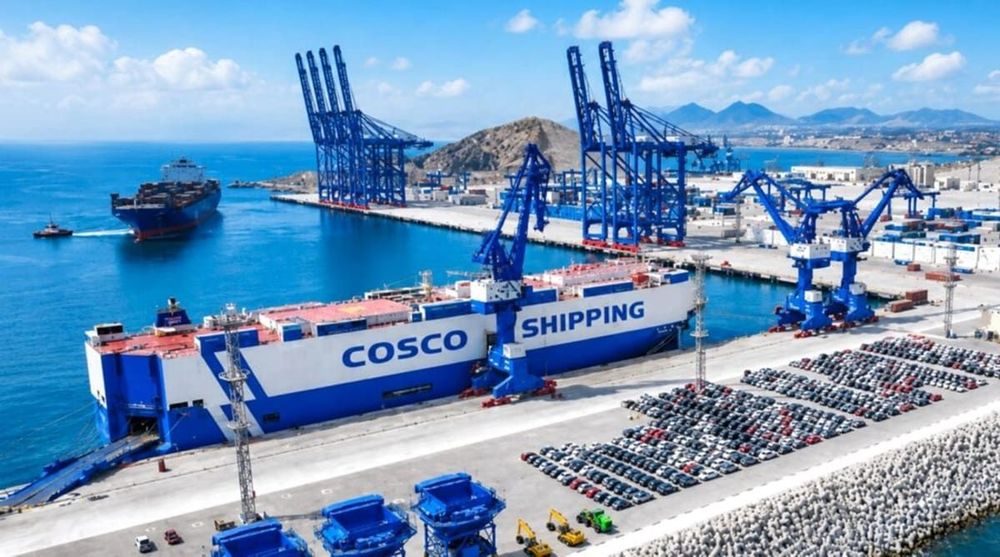
The Lima Chamber of Commerce is concerned about the message foreign capital receives regarding the management of the mega-project in Peru. Find out the details.
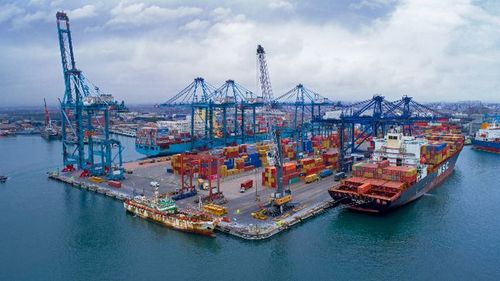
The Port of Chancay handles cargo and also sparks a debate about the limits of state intervention, especially by the Supervisory Agency for Investment in Public Transport Infrastructure (Ositran).
The underlying concern of the Lima Chamber of Commerce (CCL) is the impact that this eventual "competition" could have on the money allocated for a second stage of investment. What is the argument?
In detail, Raúl Barrios, president of the guild, and Carlos Posada, institutional director, emphasized that the Port of Chancay is a private investment and not a state concession. That is, unlike other ports that operate under concession contracts requiring Ositran's oversight, the mega-project was built with its own capital.
In this regard, they pointed out that interference would weaken Peru's legal security at an international level.
"I don't know what [Ositran] will supervise because, as it is a private port, they can invest in whatever they wish; and if they want, they can invest more. Prices are free for the Port of Chancay," Barrios indicated.
"The Port of Chancay has X-ray machines to check what arrives and what leaves. That is, to prevent drugs or weapons, which the Port of Callao does not have. It is more controlled," he added.
Posada, for his part, clarified that the Chamber does not oppose the presence of the State, but rather its dictating how to manage the business. He also recalled that the State is indeed present through institutions such as Customs, Sunat, and Senasa, for example, but due to the nature of their activity.
The CCL spokespersons also brought up the fact that this attempt at intervention is perceived as "mistreatment of the investor," which could jeopardize the second stage of investment (FIGURE).
"There is concern because it makes the Chinese not want to continue with the investment in the second part. They have invested US$1.5 billion, and the second part, which is another US$1.5 billion, is still pending. There is mistreatment of the investor," Barrios said.
The guild also mentioned that, in a recent meeting, it requested a reduction in container handling fees from the Chinese Embassy. Currently, it specified, they are recorded at US$800, a figure higher than the US$400 in Chile or Ecuador.