• 2 min de lectura
• 2 min de lectura
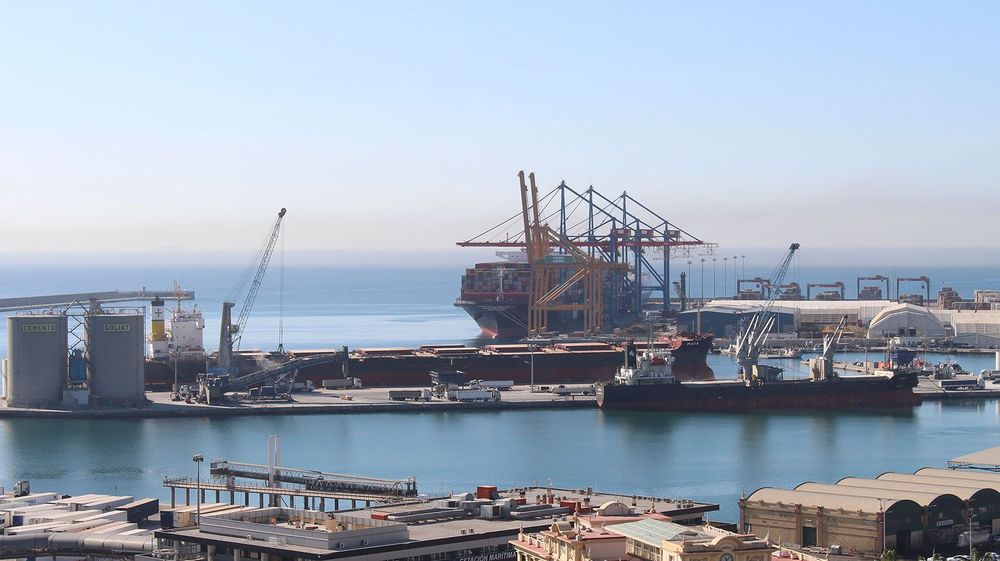
The Port Authority's Board of Directors approved the tender for the drafting of a study for an underground road access to the Port of Malaga through the north-south axis of the Guadalmedina river.
This analysis aims to define the different alternatives to improve accessibility and strengthen the integration of the port area with the main road infrastructures of the city and its area of influence.
The study will also include a basic preliminary project with the most suitable solution for this new access. In this regard, the connection of the port with the high-capacity road network, especially with the A-7, MA-20, and MA-22, will be evaluated, as well as its functional integration with the Malaga Ring Road and with the north-south axis of the Guadalmedina river.
This new access will improve the connectivity of the port area, optimize traffic flows associated with logistics and tourism activity, and contribute to more efficient and sustainable mobility, aligned with the port's growth needs and the city's urban transformation.
On another note, the Board of Directors approved the resolution of the public tender for the occupation and exploitation of the new fish market, which was awarded to the Association of Fresh Fish Producers of the Port of Motril.
Finally, the President of the Port Authority, Carlos Rubio, informed the Board about the public body's integration into the European Alliance for the development of railway corridors and Trans-European Transport Networks (TENT-T), an initiative aimed at promoting the structuring of the Iberian Peninsula and its connection with the main European logistics axes.
The incorporation of the Port of Malaga into this international cooperation platform will allow for joining efforts with other port authorities and European institutions, advocating for railway transport and intermodality as essential tools to increase logistics competitiveness, promote the sustainability of freight transport, and advance the decarbonization objectives promoted by the European Union.
Source: Portal Portuario