

• 2 min de lectura
• 2 min de lectura
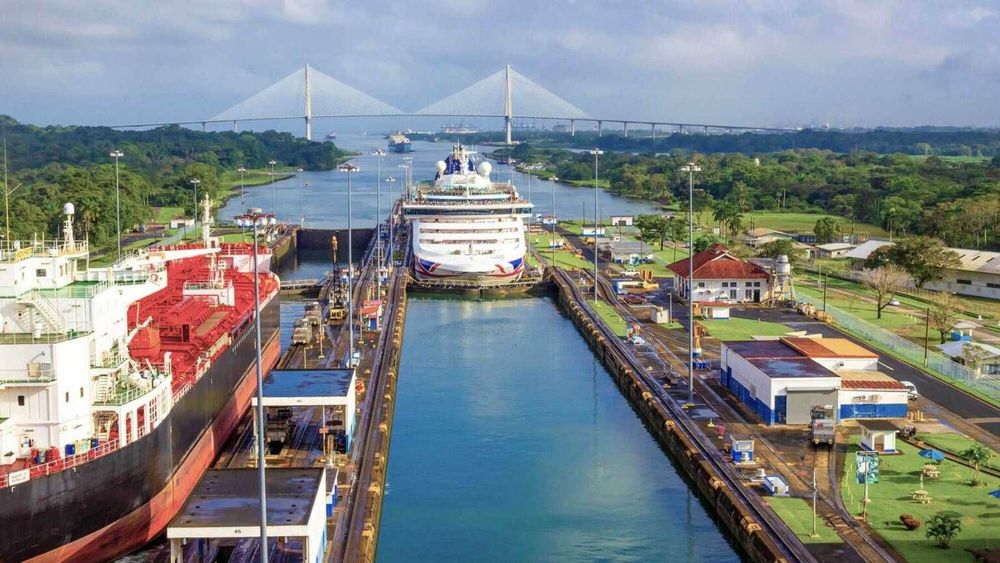
The Panama Canal recorded an 8% year-on-year increase in vessel transits during 2026, reaching a daily average of 38 crossings, according to BIMCO data. The growth has been primarily driven by the increase in US energy exports to Pacific markets, in a context marked by operational disruptions in the Strait of Hormuz and adjustments in global energy trade.
According to BIMCO, over the past five weeks, transits increased by 16% year-on-year, especially driven by the tanker and liquefied gas vessel sector. The organization noted that the reduction of operations in the Strait of Hormuz altered the energy flow from the Persian Gulf, increasing the demand for US exports to Asia and raising pressure on the operational capacity of the Panama Canal, which currently operates near its estimated daily limit of between 36 and 40 transits. Likewise, waiting times increased by 50%, reaching averages of 47 hours due to high demand for crossing slots.
The recent behavior of the Panama Canal highlights the growing importance of strategic maritime routes for international energy trade and the stability of global supply chains. Furthermore, the increase in operational costs and waiting times is leading some operators to evaluate alternative routes such as the Cape of Good Hope or Cape Horn, which could generate impacts on logistics costs, fuel consumption, and international maritime transport planning.
Source: Mundo Marítimo
