• 2 min de lectura
• 2 min de lectura
Northeast Asia has sent its first jet fuel cargo to Europe since the war in Iran began in late February, according to vessel tracking data and three trade sources, at a time when Asian supplies have increased and European commercial stocks remain low.
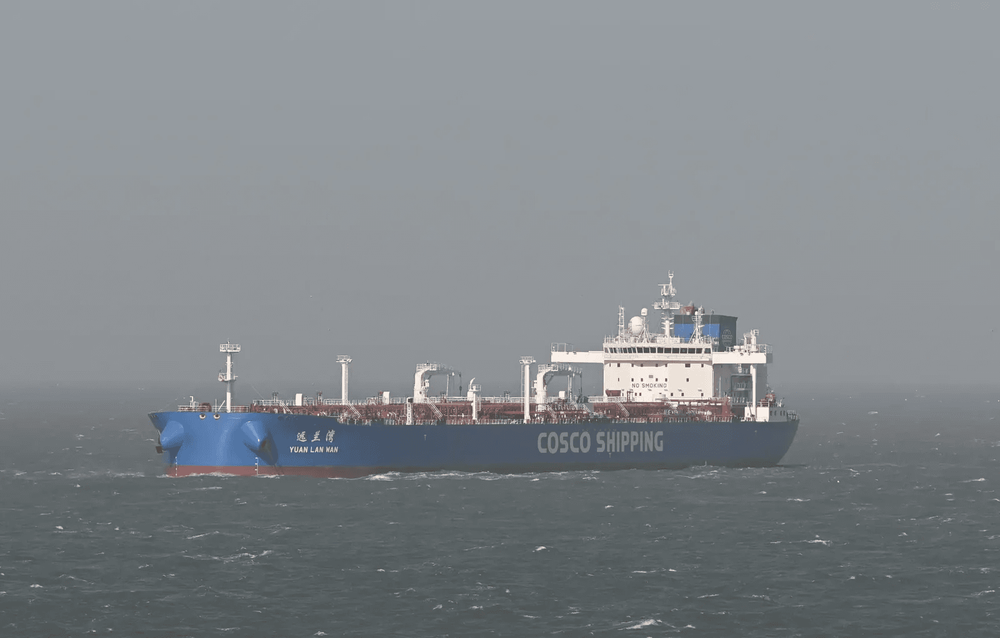
Approximately 745,000 barrels of aviation hydrocarbon were loaded between May 1 and 6 in Yeosu, South Korea, aboard the Seriana. They were subsequently transferred to the Yuan Lan Wan near the Strait of Malacca between May 18 and 21, as shown by maritime tracking data from Kpler, LSEG, and a fourth source.
The transferred volumes are destined for France, according to LSEG data and two of the trade informants. The trading firm Vitol, which chartered both the Seriana and the Yuan Lan Wan, did not immediately respond to a request for comment.
Vessel tracking data showed that Asia has not sent jet fuel via this route since the most recent phase of the Middle East crisis began on February 28, with US and Israeli airstrikes against Iran.
The crisis led to the virtual closure of the Strait of Hormuz and prompted Asian refiners to reduce their refining margins to primarily meet demand in their own region.
Asia is a complementary supplier of jet fuel to Europe. Operators typically send cargoes via this route when they consider the arbitrage to be profitable. Average monthly exports last year were 1.5 million barrels, according to Kpler maritime tracking data.
Since the war with Iran, volatility in the arbitrage price spread between Asia and Northwest Europe is another factor that has limited shipments to the West.
"The arbitrage landscape for European aviation fuel supply remains tight. All Asian cargo routes to Europe are closed in the short term and practically also in the medium term," noted Sparta Commodities analyst James Noel-Beswick in a client note dated May 21.
Shipping costs from Singapore to Northwest Europe were estimated at $4 million or less, equivalent to about $40 per metric ton, according to one of the three trade sources.
Two other industry sources, who requested anonymity as they were not authorized to speak publicly, set the price differentials between these two regions at approximately $20-30 per ton in recent trading sessions; a figure lower than shipping costs, meaning that the arbitrage is technically closed.